

What is Mange?
Created in Newsletter Library, Recognizing Illness
Has your pet suddenly started losing hair? Mange may be to blame. The common skin condition affects dogs, cats and rabbits, causing a variety of uncomfortable symptoms. Tiny Mites Cause Big Problems Mange is caused by a mite infestation. The microscopic parasites either burrow under your pet’s skin or inhabit hair follicles or oil glands in the skin. Mange can
Learn More
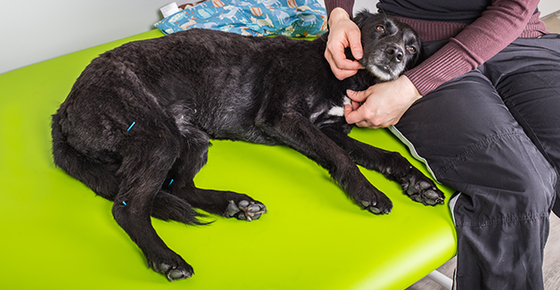
Acupuncture as Pain Management for Pets
Created in Newsletter Library, Recognizing Illness
If your pet is suffering from pain or another illness but not responding to traditional veterinary care, veterinary acupuncture may be an effective treatment option. Veterinary acupuncture is very similar to the type of acupuncture used to treat humans. Long, thin needles are inserted at specific pressure points along an animal’s body to alleviate pain and stimulate the central nervous
Learn More

Acute Kidney Injury in Dogs
Created in Newsletter Library, Recognizing Illness
Leptospirosis is a bacterial, worldwide disease that can also affect humans. Dogs are usually exposed by contact with the urine of affected animals, often wildlife, or by drinking contaminated water. There is a vaccine that can protect dogs from four strains of Lepto. Antifreeze toxicity is another common cause of renal damage. Dogs like the sweet taste, and ingesting even
Learn More

Addison’s Disease in Dogs
Created in Newsletter Library, Recognizing Illness
Addison’s disease is an endocrine disorder where the adrenal glands, near the kidneys, fail to produce enough hormones. This disease is relatively uncommon (approximately one case per 3000 dogs) but it is more common in dogs than humans. It is very rare in cats. The common symptoms of Addison’s are lethargy, occasional vomiting or diarrhea, weakness, low body temperature, low
Learn More

Cancer in Pocket Pets
Created in Newsletter Library, Recognizing Illness
A tumor (also known as neoplasm) is an abnormal growth of cells; this growth may be either benign or malignant. Benign tumors do not spread throughout the body and often have a limited impact on a pet’s overall health. Malignant tumors can develop in one location, such as a hormone-producing gland, and then spread to other body parts. Treatment and
Learn More
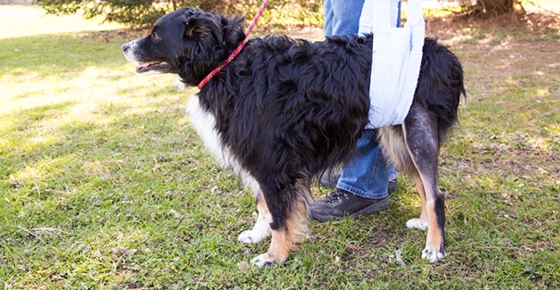
Canine Hip Dysplasia: Causes & Treatment
Created in Newsletter Library, Recognizing Illness
Canine hip dysplasia is the abnormal formation of the hip joint and one of the leading causes of rear leg lameness in dogs. Hip dysplasia is most prevalent in larger breed dogs, especially German Shepherds, Golden Retrievers, Labradors, Saint Bernards and Rottweilers. On the other hand, hip dysplasia is uncommon in the Doberman, Great Dane, and Greyhound. The condition can
Learn More
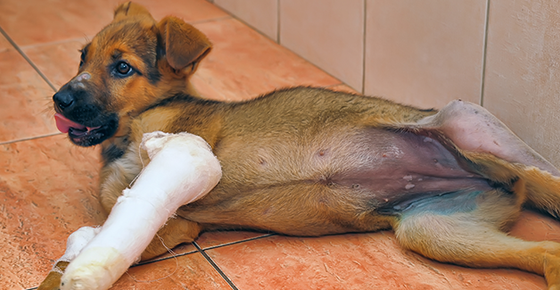
Canine Juvenile Orthopedic Diseases
Created in Newsletter Library, Recognizing Illness
Puppies are happy and full of energy, running, wrestling, and playing so much that we often wish we had that much energy! But when that puppy is not happy, when it is lethargic and limping, then a visit to the veterinarian is in order. There are several orthopedic diseases that affect young dogs. Osteochondrosis (OCD) is one of the more
Learn More
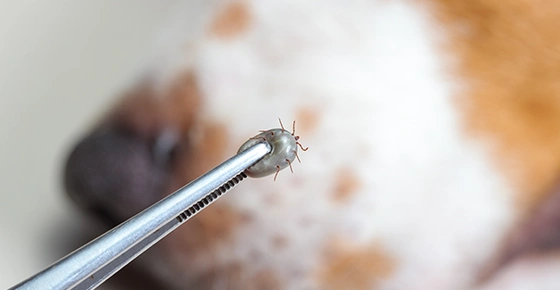
Canine Lyme Disease
Created in Newsletter Library, Recognizing Illness
There are several options for protecting dogs against canine Lyme disease. One option is vaccination, which may be the best choice for pets who live in an endemic area. Annual vaccination is an affordable means of protecting pets against this disease, which can have serious health implications. Some dogs that are affected by canine Lyme disease are never fully “free”
Learn More

Dog Allergies and Lesion Locations
Created in Newsletter Library, Recognizing Illness
Dogs are taken to the veterinarian for skin problems more than any other reason. Most often they are itchy and that itchiness is typically due to allergies. The text of canine and feline dermatological diseases is large because there are hundreds of skin diseases, however, it can help to start with some generalities when determining the cause. Again, there are
Learn More
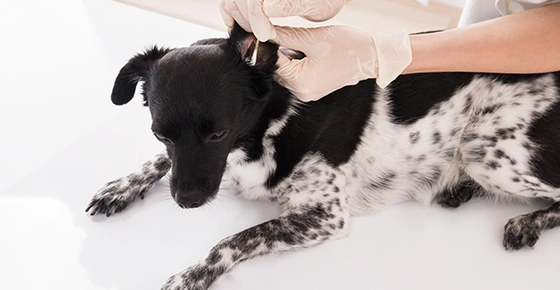
Ear Problems for Pets
Created in Newsletter Library, Recognizing Illness
Symptoms of ear disease are shaking the head, scratching at the ears, discharge from the ear canal, odor from the ear, or redness of the ear flap or entrance to the ear canal. Your pet may be tilting their head to one side although it’s important to point out that there are causes for this other than ear disease. The
Learn More
Categories