
Your Pet’s Dental Care Guide: What to Watch for and When to Act
Created in Pet Health
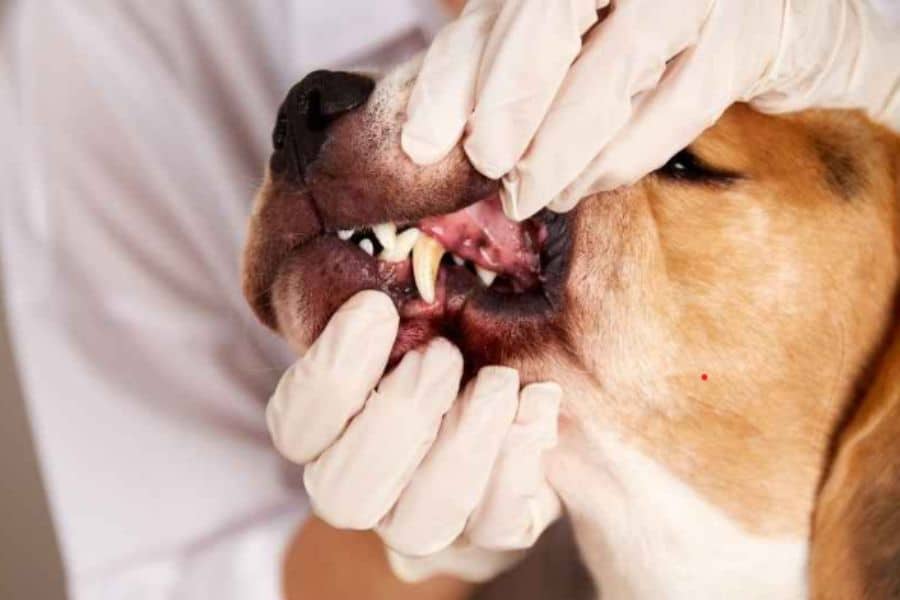
A dental problem can cause pain, bleeding, swelling, trouble eating, or a broken tooth. Pets often hide discomfort, so changes in chewing, behavior, breath, or facial appearance can be important clues. This guide covers warning signs, safe steps at home, when professional attention is needed, and ways regular oral care can reduce future problems. Pet owners in Warsaw can use
Learn More

The First 48 Hours: Monitoring a Pet That Won’t Eat
Created in Pet Health
When your pet refuses food, the first 48 hours can feel uncertain. Appetite loss may follow stress, a stomach upset, dental discomfort, medication, or a more serious health problem. Monitoring helps you notice changes early. This guide explains what to watch, what you can do at home, when a pet not eating needs professional attention, and how to prepare useful
Learn More

How to Prepare Your Home for Recovery After Urgent Care Surgery
Created in Pet Health
When a pet returns home after urgent care surgery, the recovery environment becomes just as important as the procedure itself. A calm, organized, and safe space supports healing, reduces stress, and helps prevent complications. From creating a quiet resting area to managing medications, meals, activity levels, and follow-up care, every small detail contributes to a smoother recovery. Understanding what to
Learn More

Hip Dysplasia
Created in Pet Health, Orthopedics
Hip dysplasia is a congenital disease that, in its more severe form, can eventually cause lameness and painful arthritis of the joints. It is caused by a combination of genetic and environmental factors. It can be found in many animals and, rarely, humans, but is common in many dog breeds, particularly the larger breeds. In the normal anatomy of the
Learn More
Luxating Patella
Created in Pet Health, Orthopedics
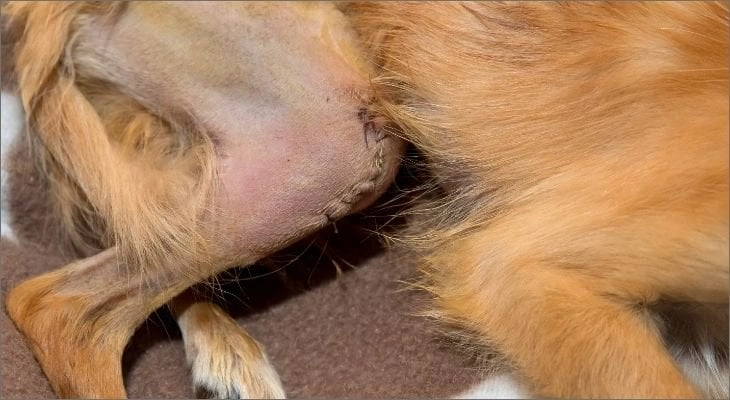
Luxating patella is a condition where the kneecap (patella) moves out of its normal position. Luxating patella is one of the most common knee joint abnormalities of dogs, but it is only occasionally seen in cats. It may affect one or both of the knees. In some cases it moves (luxates) towards the inside of the knee, and in other
Learn More

Ruptured Anterior Cruciate Ligament (ACL)
Created in Pet Health, Orthopedics
The rupture of the cruciate ligament is the most common knee injury in the dog. This injury has two common presentations. One is the young athletic dog playing roughly who acutely ruptures the ligament and is non-weight bearing on the affected hind leg. The second presentation is the older, overweight dog with weakened or partially torn ligaments that rupture with a slight
Learn More

Arthritis
Created in Pet Health, Orthopedics
The most common type of arthritis is osteoarthritis which can be due to wear and tear on joints from over use, aging, injury, or from an unstable joint such as which occurs with a ruptured ACL (anterior cruciate ligament) in the knee. The chronic form of this disease is called degenerative joint disease (DJD). It is estimated that 20% of
Learn More
Ticks
Created in Pet Health, Pests and Parasites
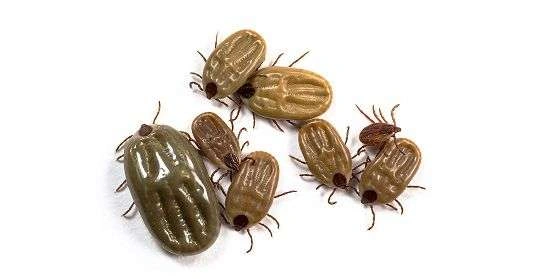
Ticks are the small wingless external parasites, living by hematophagy on the blood of mammals, birds, and occasionally reptiles and amphibians. Ticks are blood-sucking parasites that are often found in freshly mown grass, where they will rest themselves at the tip of a blade so as to attach themselves to a passing animal. It is a common misconception that the
Learn More
Fleas
Created in Pet Health, Pests and Parasites
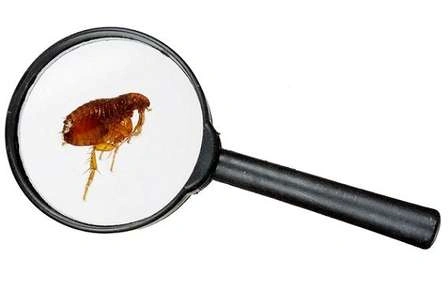
A common parasite, fleas are found in almost every area of the world and can be found on dogs, cats, and many other mammals. They survive year to year even in cold climates because they live on pets, in buildings, and on wild animals. There are four stages to the flea life cycle. Eggs are laid by an adult female
Learn More

Heartworm
Created in Pet Health, Pests and Parasites
Heartworm has been diagnosed in dogs in all parts of the world and is actually very common. This may be due to the fact that heartworm has a virtual 100% prevalence rate in unprotected dogs living in highly endemic areas. Heartworm, also known as Dirofilaria immitis, is transmitted by mosquitoes. The mosquito injects a microscopic larvae which grows into an
Learn More
Categories