

Is Your Pet Overweight?
Created in Newsletter Library, Nutrition & Food
Packing on the pounds is just as dangerous for your pet as it is for you. Being overweight or obese can lead to many of the same health problems whether you are a human, dog or cat. Luckily, with your help, your furry friend can easily lose that excess weight and enjoy a healthier, happier life with your help. How
Learn More

What is a Raw Diet?
Created in Newsletter Library, Nutrition & Food
Raw diets offer an alternative to commercially prepared pet food and can be a good choice for some pets. Serving raw foods offer a variety of benefits, although the diet isn’t appropriate for every cat or dog. Why Offer Raw Food? Commercially available pet food often contains preservatives or chemicals that prevent the food from spoiling and enhance taste. Many
Learn More

Cooking for Your Pets
Created in Newsletter Library, Nutrition & Food
Read the back of a pet food bag and you will see a long lists of ingredients that features a variety of preservatives and fillers. While these ingredients may keep the food fresh, they are not always good for your pet. Luckily, you will find plenty of dog and cat food recipes on the Internet that will help you ensure
Learn More

Fitting Fiber into Fido’s Food Bowl
Created in Newsletter Library, Nutrition & Food
Fiber is important because it helps dogs feel full, supports natural, healthy digestion and aids in moving material through their digestive tract. Is there fiber in your pet’s food bowl with each meal? Does your pet need fiber, or more fiber? Grains like wheat, barley, corn and rice contribute small amounts of fiber to pet foods. Pets require adequate amounts
Learn More

Food Allergies
Created in Newsletter Library, Nutrition & Food
Food allergies occasionally occur in dogs and cats. They usually manifest themselves as itchy skin, ear infections, chronic vomiting, or diarrhea. If you suspect that your pet may have a food allergy, you can investigate by performing a food trial. There are three rules for a food trial: 1. Pick a new food that is different from any food fed
Learn More
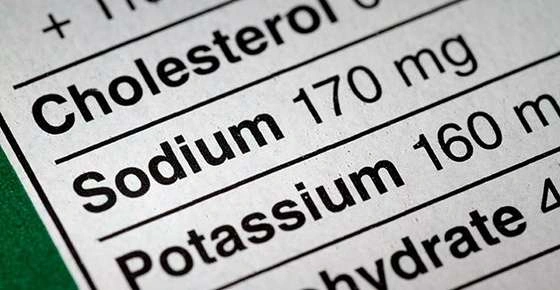
Foods to Avoid for Pets on Low Sodium Diets
Created in Newsletter Library, Nutrition & Food
Pets afflicted with heart failure or high blood pressure should not be fed salty foods, as they cause fluid to be retained in the body and make it harder for the heart to work. They also can lead to fluid developing in the lungs (pulmonary edema). Most commercial dog foods have a decent level of sodium, although some have high
Learn More
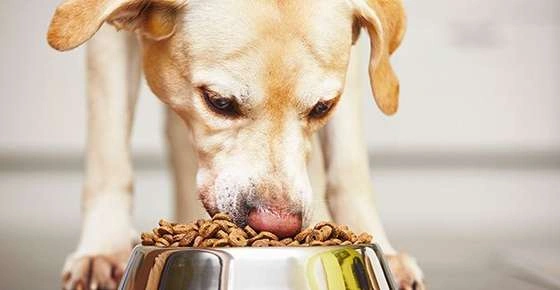
Obesity in Dogs
Created in Newsletter Library, Nutrition & Food
Obesity is on the rise, and not just for humans. Dogs are increasingly overweight and even obese. In the United States, an estimated 43 million dogs are overweight or obese – that’s over half of all dogs! And it is not just dogs in the United States that need to lose a few pounds – canine obesity is also a
Learn More
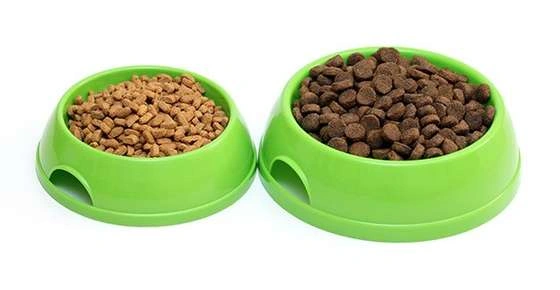
Pet Food Allergies? The Rules for a Pet Food Trial Have Changed
Created in Newsletter Library, Nutrition & Food
Food allergies are common in dogs and cats. It usually manifests as itchy skin, chronic vomiting, or diarrhea. If you suspect that your pet may have a food allergy, you will need to investigate by performing a food trial. There are no intradermal skin tests or blood tests that are valid for determining food allergies. There are three rules for
Learn More

Why Your Guinea Pig Needs Vitamin C But Your Dog Doesn’t
Created in Newsletter Library, Nutrition & Food
We all need to eat a complete and balanced diet. We feed our dogs and cats food developed by companies that study their nutritional needs, but if you study the list of ingredients, Vitamin C is not listed. When we prepare our own meals, we have to make sure we consume a source of Vitamin C such as orange juice.
Learn More

What is in Your Pets’ Food?
Created in Newsletter Library, Nutrition & Food
Every day we are besieged with pet food advertisements, in magazines, newspapers and on television. Tens, if not hundreds, of millions of dollars are spent per year trying to convince us that their pet food is the best. Who to believe? What is really in pet food? Is the pet food label helpful? A Chapman University study tried to help
Learn More
Categories