

Why Some Pets React Worse to Fireworks Than Others
Created in Newsletter Library, Pet Dangers
Every Fourth of July brings excitement, family gatherings, backyard celebrations, and colorful fireworks. While people enjoy the holiday, many pets experience overwhelming fear. Some hide under furniture, others bark constantly, shake, pace, or even try to escape. Many pet owners wonder why one dog remains calm while another becomes terrified. The answer involves personality, life experiences, hearing ability, age, and
Learn More

Protect Your Pet from Painful Paw Pad Burns
Created in Newsletter Library, Pet Dangers
Have you ever tried to walk across the beach barefoot on a very hot day? After the first few steps, you probably set a new speed record as you sprinted to the water, or maybe you gave in and put on your sandals before taking another step. Your pet experiences the same reaction during summer walks on the sidewalk or
Learn More
At Risk for Rat Bite Fever?
Created in Newsletter Library, Pet Dangers
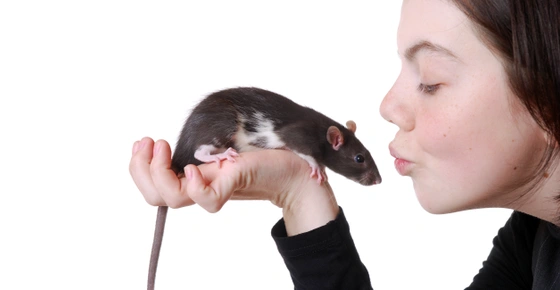
Rats have made numerous appearances on the screen and the page as you’ve watched theater movies with your children, read popular children’s books or relaxed while checking out family films with your home’s technology system. Movies have made the rodents popular in the world of children. Popular children’s books and stories have increased interest about the rodents. Their new popularity
Learn More
Calcium is Not Always Good
Created in Newsletter Library, Pet Dangers
When examining a blood panel, a veterinarian may report to the owner that a pet has hypercalcemia, which is an elevated level of calcium in the blood. The owner often then wonders if there is too much calcium in the pet’s food or in the vitamins or supplements the pet is taking. Ingesting calcium in food or canine nutritional supplements
Learn More
Can PBDEs Harm Your Pet?
Created in Newsletter Library, Pet Dangers
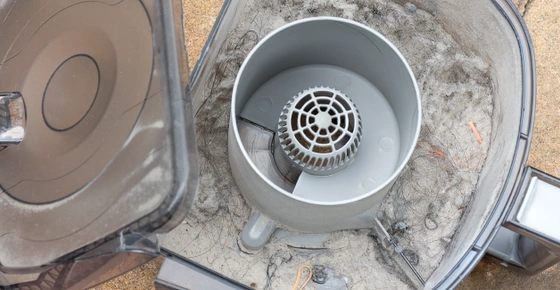
The Environmental Protection Agency indicates that polybrominated diphenyl ethers (PBDEs) have a negative impact on your health and environment. These chemicals in your home environment may be causing harm to your pet without your knowledge. In the body, PBDEs are found in breast milk, blood and the blood of umbilical cords. These chemical compounds persist in the environment and accumulate
Learn More
Dangers of Rodent Bait
Created in Newsletter Library, Pet Dangers
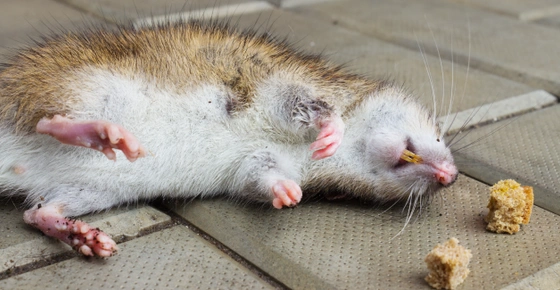
There are several general classifications of rodent poison (rodenticide) available over the counter. The most common is one that prevents blood clotting called an anticoagulant; D- con being the most easily recognized in light of the recent bans on second generation anticoagulant rodenticides. Anticoagulant rodenticides can come in many forms from liquid, to pellets, to blocks. They are made to
Learn More

Hidden Dangers of Over-the-Counter Medications
Created in Newsletter Library, Pet Dangers
There are many medications available over the counter (OTC) at pharmacies and grocery stores that we consider to be safe, their use to be routine. We don’t think twice about picking up medications to help with pain or flu symptoms. What many people don’t consider is that these same medications can be very dangerous and even fatal for our pets.
Learn More

Keeping Pets Safe from Being Lost
Created in Newsletter Library, Pet Dangers
An estimated one third of all pets will become lost at some point in their life. Reasons for pets becoming lost include everything from a loose gate to breaking free from a leash. With so many possible ways for a pet to become lost, it is important to follow some simple safety procedures. Dog Tags (Identification Tags)Keep an up-to-date “dog-tag”
Learn More
Make Your House Pet Friendly
Created in Newsletter Library, Pet Dangers
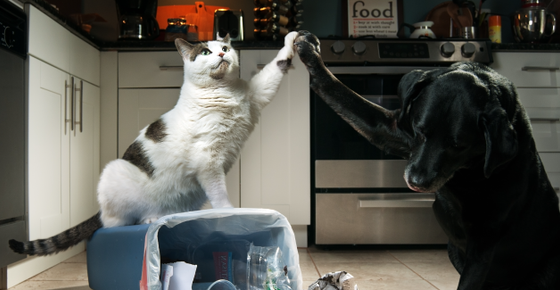
Keeping your house pet friendly is critical to the health and wellness of your pets. Just what does pet friendly mean? A pet friendly house is a sheltered location for an animal to live, play and relax that is clean, safe, free from hazards and toxic materials. Most pets share house space with their owner. Household items used in a
Learn More

Marijuana Toxicity in Pets
Created in Newsletter Library, Pet Dangers
Imagine your concern if you came home to find your dog unable to walk, unresponsive, or in a coma. This is becoming more common as marijuana begins to lose its illicit status, at least in some areas of the world. As the decriminalization and even legalization of marijuana has occurred, cases of toxicity in animals have unfortunately increased. Marijuana seems
Learn More
Categories