

Understanding Lyme Disease Risk in Dogs
Created in Choosing Your Pet, Dogs
Lyme disease can affect dogs after the bite of an infected black-legged tick. Risk varies by location, travel, outdoor habits, and exposure. Many infected dogs show no obvious illness, while others develop fever, tiredness, swollen joints, shifting leg lameness, or serious kidney problems. Knowing the exposure risks, symptoms, testing, and prevention steps makes Lyme disease easier to manage. This guide
Learn More

How to Stop Diarrhea in Cats: A Step-by-Step Guide
Created in Choosing Your Pet, Cats
Loose or watery stool may result from a sudden food change, dietary intolerance, stress, parasites, infection, medication, or an underlying illness. This guide explains what to do when your cat has diarrhea, what food may help, what to avoid, how long symptoms can last, and when a veterinarian should examine your cat. Step 1: Check Your Cat’s Overall Condition Look
Learn More

When to Call the Vet After Your Dog Eats Tomatoes
Created in Choosing Your Pet, Dogs
A ripe red tomato is generally safe for dogs in small amounts. The concern rises when a dog eats green tomatoes, stems, leaves, or a large quantity. These plant parts contain higher levels of solanine and tomatine, compounds that may cause digestive or nervous system problems. This guide covers what to do after tomato exposure, symptoms to watch for, situations
Learn More

Is a Maine Coon the Right Cat Breed for Allergy Sufferers?
Created in Choosing Your Pet, Cats
Living with cat allergies does not automatically rule out owning a Maine Coon, but this long-haired breed is not hypoallergenic. Maine Coons produce the same major cat allergens found in other cats, especially Fel d 1, which is present in saliva and skin secretions and spreads through grooming and shedding. Their thick coats can collect dander and loose hair. This
Learn More

Your Pet’s Dental Care Guide: What to Watch for and When to Act
Created in Pet Health
A dental problem can cause pain, bleeding, swelling, trouble eating, or a broken tooth. Pets often hide discomfort, so changes in chewing, behavior, breath, or facial appearance can be important clues. This guide covers warning signs, safe steps at home, when professional attention is needed, and ways regular oral care can reduce future problems. Pet owners in Warsaw can use
Learn More

Husky Lifespan Guide: Tips for a Healthier, Longer Life
Created in Choosing Your Pet, Dogs
Huskies are known for their striking blue or brown eyes, thick coats, high energy, and independent personalities. They are also strong, athletic dogs that can stay active well into their senior years when their needs are understood and managed carefully. So, how long do Huskies live? The typical Husky lifespan is about 12 to 14 years, although some Huskies live
Learn More

The First 48 Hours: Monitoring a Pet That Won’t Eat
Created in Pet Health
When your pet refuses food, the first 48 hours can feel uncertain. Appetite loss may follow stress, a stomach upset, dental discomfort, medication, or a more serious health problem. Monitoring helps you notice changes early. This guide explains what to watch, what you can do at home, when a pet not eating needs professional attention, and how to prepare useful
Learn More

Urgent Care: Using Hydrogen Peroxide Safely on Dogs
Created in Choosing Your Pet, Dogs
When a dog gets into something dangerous, every second can feel important. Your first instinct may be to reach for the bottle of hydrogen peroxide sitting in the medicine cabinet. After all, you may have heard that hydrogen peroxide can make a dog vomit after certain toxic ingestions. But is it always safe? No. Hydrogen peroxide has a limited role
Learn More

Benadryl for Dogs During Thunderstorms: Calming Effects Explained
Created in Choosing Your Pet, Dogs
Thunderstorms can turn a relaxed dog into a completely different pet. One minute, your dog may be sleeping on the couch. The next, thunder cracks outside, and they are pacing, panting, trembling, hiding, barking, or trying to escape. If you have watched your dog struggle during a storm, you may have wondered, “Can I give my dog Benadryl to help
Learn More
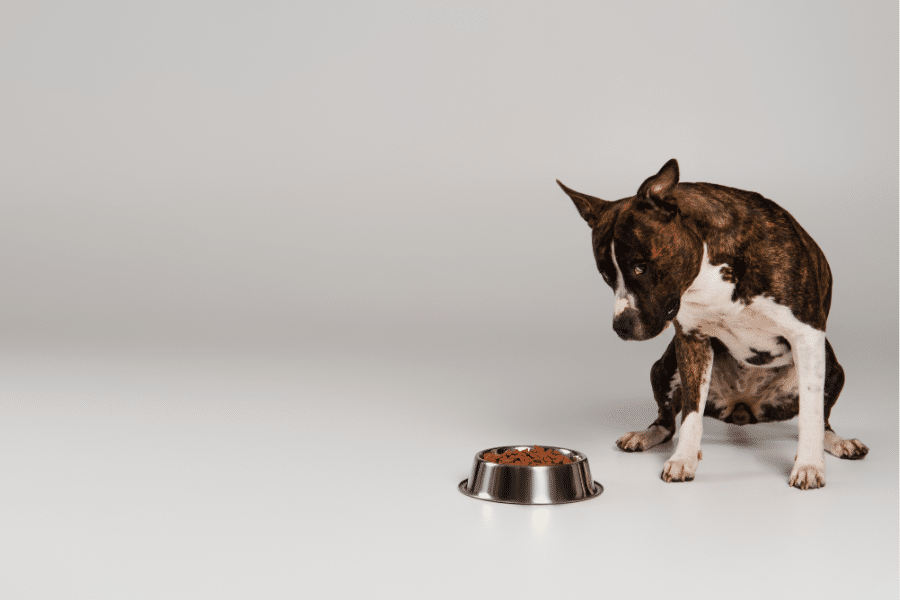
Choosing the Right Hydrolyzed Protein Dog Food for Sensitive Stomachs
Created in Choosing Your Pet, Dogs
Does your dog seem to have a sensitive stomach no matter what food you try? Frequent vomiting, loose stools, gas, or poor appetite can make mealtimes stressful for both of you. When these problems keep coming back, changing to another standard dog food may not solve the underlying issue. One option that may be recommended for dogs with certain food-related
Learn More
Categories