
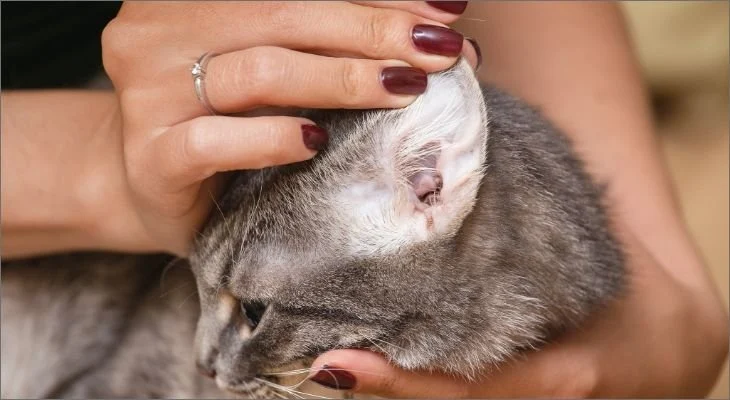
Mites
Created in Pet Health, Pests and Parasites
There are many types of mites that infect dogs, cats, and other animals. Mites are microscopic arthropod parasites that, for the most part, infect the skin or mucous membranes. Mites can even be present on birds and reptiles. The most common mites that infect dogs and cats are ear mites, Demodex, scabies, and Cheyletiella. Ear mites are very common on
Learn More
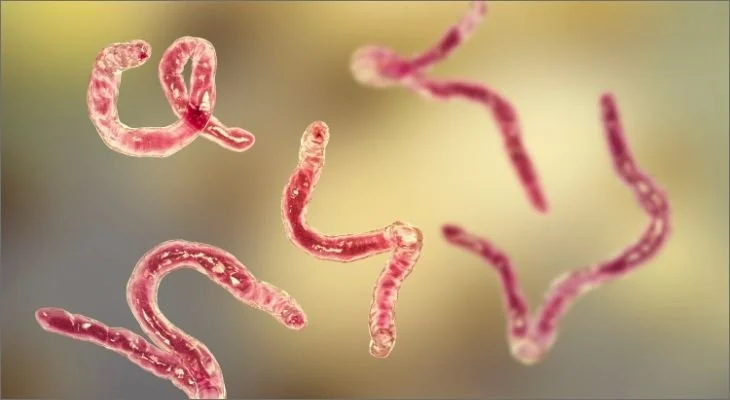
Hookworm
Created in Pet Health, Pests and Parasites
Hookworms are small, thread-like parasites of the small intestine where they attach and suck large amounts of blood. These parasites are found in almost all parts of the world, being common in dogs, and occasionally seen in cats. Symptoms are usually diarrhea and weight loss. The parasites can actually suck so much blood that they cause pale gums from anemia,
Learn More
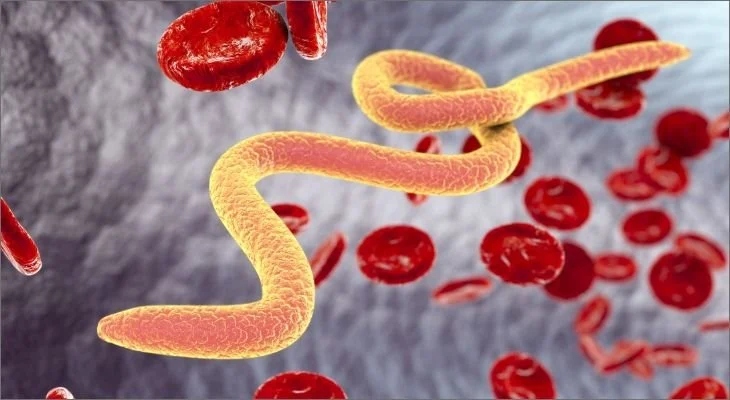
Parasites
Created in Pet Health, Pests and Parasites
There are many types of parasites that are found in the GI tract of cats and dogs. Worms such as roundworms, whipworms, and hookworms are very common in almost all parts of the world. These parasites shed their infective eggs in the pet’s stool and contaminate the environment; some eggs can live on yards or fields for years. The eggs
Learn More

Roundworms
Created in Pet Health, Pests and Parasites
There are many types of roundworms, but some of the most common are intestinal parasites of dogs, cats, and raccoons. Puppies are frequently born with roundworms, and kittens can be infected via the mother’s milk or feces. Adult roundworms are ivory colored, four to six inches long, and round (not flat ) in shape. These parasites can cause diarrhea, vomiting,
Learn More
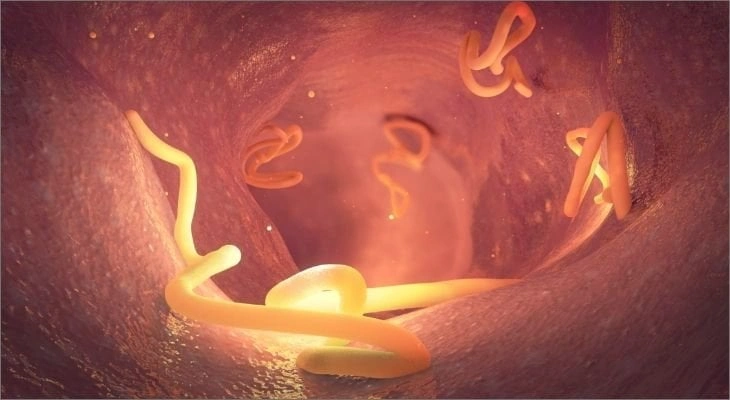
Tapeworms
Created in Pet Health, Pests and Parasites
Tapeworms live in the digestive tracts of vertebrates as adults and often in the bodies of various animals as juveniles. In a tapeworm infection, adults absorb food predigested by the host, so the worms have no need for a digestive tract or a mouth. Large tapeworms are made almost entirely of reproductive structures with a small “head” for attachment. Symptoms
Learn More

Canine Parvovirus (CPV)
Created in Pet Health, Diseases and Viruses
The Parvovirus is known worldwide and causes disease in many different species of animals. Different strains of virus only infect certain types of animals. For example, the Canine Parvovirus (Parvo) will mainly infect dogs and does not cause disease in cats or humans. Feline Parvovirus, a different strain of virus, causes a different type of disease known as Feline Distemper.
Learn More

Rabies
Created in Pet Health, Diseases and Viruses
Rabies is a fatal viral infection that is transmitted primarily through bite wounds. Skunks, bats, raccoons, and foxes are the primary carriers. Rabies is also fatal to humans, there has been only one case of a person surviving rabies when treatment was started after clinical signs were present. Puppies are vaccinated when three to four months of age and then
Learn More

Salmonella
Created in Pet Health, Diseases and Viruses
Salmonella is a bacterium that can cause disease in humans, dogs, cats, and other animals. It can cause a variety of symptoms, commonly vomiting and/or diarrhea, but also severe infections and septicemia. It can also cause abscesses, meningitis, bone infections, and abortion. Salmonella is found worldwide and is commonly associated with contaminated food, reptiles, and birds. Epidemics of salmonellosis in
Learn More

Canine Distemper
Created in Pet Health, Diseases and Viruses
Canine distemper is caused by a virus that is shed in bodily fluids of infected animals. The virus affects primarily the lungs, intestines, and nervous system. Symptoms of the infection can include coughing, diarrhea, vomiting, inappetance, dehydration, weight loss, seizures, and encephalitis. Secondary infections can present as discharge from the eyes and/or nose, and pneumonia. Puppies, especially those from shelters,
Learn More

Feline Distemper
Created in Pet Health, Diseases and Viruses
Feline distemper or feline panleukopenia is a highly contagious viral disease of kittens and adult cats caused by the feline parvovirus. It is also called panleukopenia as it affects the bone marrow and causes low white blood cell counts. It is relatively common in unvaccinated cats and is often fatal, especially in young kittens. It has been referred to as
Learn More
Categories