

Managing Your Pet’s Diabetes
Created in Newsletter Library, Recognizing Illness
“Heart conditions can be inherited in dogs as they are in people. Dogs can also be victims of cancer, tick-borne diseases, autoimmune conditions, arthritis, liver, or kidney disease, thyroid disease, irritable bowel syndrome, and even diabetes,” indicates Norma Bennett Woolf, editor of Dog Owner’s Guide: Canine Diabetes. Your pet could be at risk for diabetes and in need of medical attention
Learn More
Pet Vomit – You Just Received a Message!
Created in Newsletter Library, Recognizing Illness
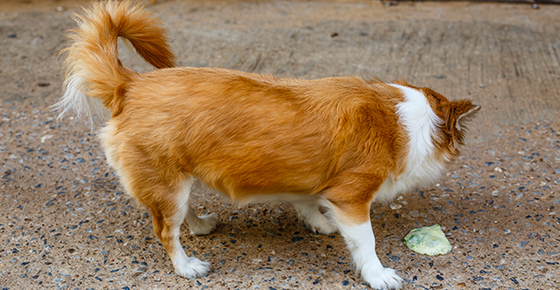
Animals may vomit when something irritates, inflames or causes an infection in their intestinal tract. The location of the irritation, inflammation or infection may also determine the color of your pet’s vomit and the reason for the upchucking. Many things can irritate, inflame or infect an animal’s intestinal tract. Look around your home. There are toys, plants, foods, sharp objects,
Learn More

Pets Can Show Warning Signs Before Cancer Diagnosis
Created in Newsletter Library, Recognizing Illness
Warning signs can be present in your family pet before the veterinarian makes an actual diagnosis. You’ll want to be alert and watch for warning signs as preventative measures, and at the same time provide your pet with the best nutrition, exercise program and lifestyle possible for his or her activity levels and overall health. “Cancer is an incredibly challenging
Learn More

Quick Facts About Cancer
Created in Newsletter Library, Recognizing Illness
Family pets are often described as our “best friends” and news that they are sick can be devastating. Cancer is a disease that can affect family pets like dogs and cats. Through the years, research has developed many cures and treatments for use in improving or sustaining the health of pets that present with a cancer diagnosis. Let’s look at
Learn More
Staph Infections & Your Pet
Created in Newsletter Library, Recognizing Illness
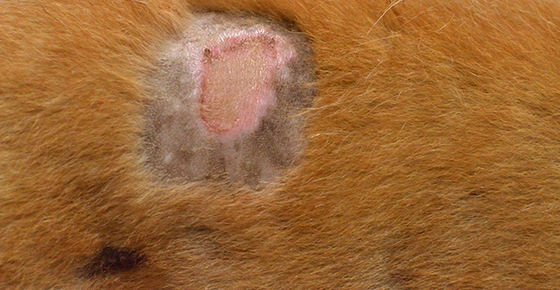
You may have heard of MRSA infections in people discussed in the media in this last year. Otherwise known as Staph or Methicillin Resistant Staphylococcus aureus, this type of bacteria is resistant to most antibiotics. People infected with this dangerous bacteria can become quite ill or even die if an effective antibiotic cannot be found. MRSA can also occur in
Learn More

Types of Diabetes in Dogs
Created in Newsletter Library, Recognizing Illness
Most people have heard of diabetes and associate it with needing to administer insulin. But actually there are two different kinds of diabetes: diabetes mellitus and diabetes insipidus. Their symptoms can be similar, but their causes are totally different and thus their treatments are completely different. Diabetes mellitus is the more common of the two; it is caused by a lack of insulin in
Learn More

Understanding Canine Compulsive Disorder
Created in Newsletter Library, Recognizing Illness
If your dog has developed a tendency to pursue the same pointless activity — sucking on his flanks, chasing his own tail, barking or snapping at thin air, et cetera — he may be suffering from canine compulsive disorder, or CCD. Fortunately, treatment and training can help him overcome his obsession. Defining CCD National veterinary organizations define compulsive behavior in
Learn More
Vomiting Versus Regurgitation
Created in Newsletter Library, Recognizing Illness
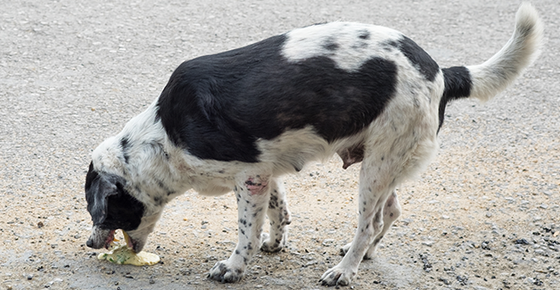
When you come home to find a mess on the floor, it is easy to assume that the dog vomited. Vomiting is very common in dogs, as they often eat weird things! There are actually many other causes of vomiting, including parasites, kidney disease, liver problems, pancreatitis, and food allergies. Overall, there are probably at least 101 causes of vomiting.
Learn More

What to Do When Your Pet Goes on the Carpet
Created in Newsletter Library, Recognizing Illness
Straining to urinate, frequent urination, blood in the urine, and accidents in the house are common symptoms that pet owners report to their veterinarian. Many times the signs come on suddenly, as people find urine spots on the floor, often near the door where the dog goes outside. Cat owners may notice that the urine balls in the litter box
Learn More
When Is a Goopy Eye a Problem?
Created in Newsletter Library, Recognizing Illness
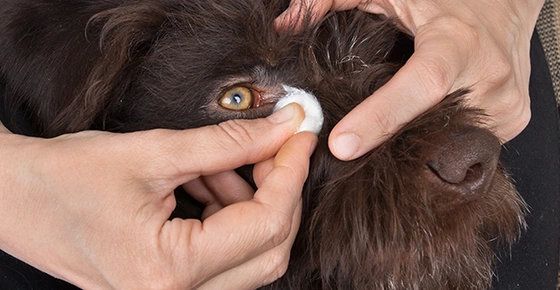
Many dogs have thick eye discharge. Sometimes it is just in the morning; sometimes it has to do with a dog’s breed. Some breeds of dogs have eyes that sit differently in their skull, causing more discharge. And, sometimes, the goopy eye is a sign of a severe, chronic and painful condition called keratoconjunctivitis sicca (KCS). KCS is commonly called
Learn More
Categories