
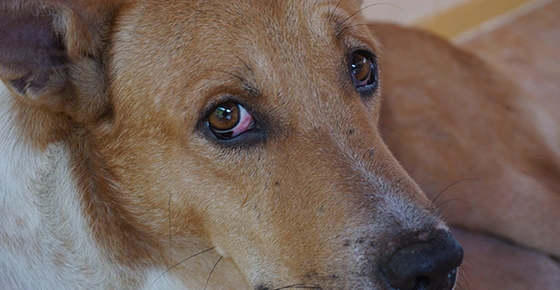
Evaluation and Diagnosis of a Red Eye in Dogs
Created in Newsletter Library, Recognizing Illness
Dogs occasionally develop a red eye. The redness may be in the white of the eye, in the clear part of the eye called the cornea, or within the eyeball. There are many causes of a red eye, but all ocular diseases should always be considered an urgent matter, and be checked immediately by a veterinarian. Evaluation A dog owner
Learn More
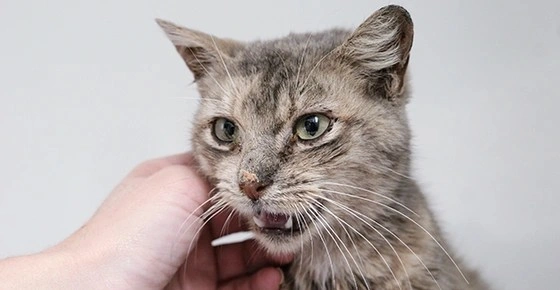
Don’t Sneeze at Pet’s Cold or Flu-Like Symptoms – Get to Your Vet
Created in Newsletter Library, Recognizing Illness
On February 14, 2011 IDEXX Research Laboratories confirmed that the 2009 H1N1 influenza virus was present in two cats from the same Wisconsin home. The cats were treated at an emergency veterinary hospital for severe respiratory distress. The owner of the cats had been experiencing flu-like symptoms. The American Veterinary Medical Association (AVMA) suggests the cats became ill when the
Learn More

Glaucoma in Pets: What You Need to Know
Created in Newsletter Library, Recognizing Illness
Glaucoma is typically a disease affecting middle- age to older pets. The symptoms can be very insidious in that they may not be noticeable at first, but eventually you may see a red eye or a dilated pupil, and ultimately, as the disease progresses, you can see that the eyeball is larger than normal. Glaucoma Is Serious Glaucoma is increased
Learn More

H1N1 or Swine Flu Virus
Created in Newsletter Library, Recognizing Illness
The H1N1 or swine flu epidemic has many people concerned. It certainly holds the potential for severe, worldwide disease in humans. Currently, most cases in the U.S. have not been as serious as in other countries. Flu viruses commonly mutate though, and even a small mutation could increase the pathogenicity to critical levels for both animals and people.Swine influenza virus
Learn More

Helping Dogs with Low Vision or Blindness
Created in Newsletter Library, Recognizing Illness
As veterinary medicine advances, dogs are living longer and longer. With advancing age, more geriatric diseases are becoming prevalent. Problems with vision, such as cataracts, glaucoma, and keratitis, are common. Many of these problems occur so gradually that some people don’t know they have a blind dog if the dog is very accustomed to the house. But some dogs have
Learn More

Is My Dog Sick?
Created in Newsletter Library, Recognizing Illness
Identifying the signs of sickness in a dog can be challenging, even for the most vigilant pet owners. Since a sick dog is unable to verbally communicate what hurts, pet owners must pay close attention to identify the signs of illness. Subtle changes in behavior or appetite may be symptomatic of an underlying health problem. While dogs cannot verbally tell
Learn More

Is Your Pet In Pain?
Created in Newsletter Library, Recognizing Illness
There are signs to look for when your pet is experiencing pain. Together you and your veterinarian can identify and help your pet with pain that may be present. The issue of pain in animals is so critical that the American Animal Hospital Association (AAHA) teamed up with the American Association of Feline Practitioners (AAFP) to develop guidelines and recommendations
Learn More

Lyme Disease & Your Pets
Created in Newsletter Library, Recognizing Illness
How to Prevent and Remove Ticks Lyme disease is a top concern for dog owners who enjoy walking with their dog in grassy and wooded areas. Transmitted by deer ticks, Lyme disease can result in fever, joint lameness, fatigue, and general discomfort for your pet. While treatment is available, Lyme disease is best prevented. Here is how to prevent Lyme
Learn More

Matters of the Heart
Created in Newsletter Library, Recognizing Illness
Many diseases of people also occur in pets. A problem that is common in people, dogs, and cats is heart disease. While these disorders have some things in common, many ailments of the heart in pets are completely different than what occurs in people. Recent surveys have shown that 11% of all dogs have heart disease, and up to 20%
Learn More

Nothing Heartwarming about Heartworm
Created in Newsletter Library, Recognizing Illness
Heartworm is a long, string-like parasitic worm that has the scientific name Dirofilaria immitis. It earns its common name by living in the host’s heart, lungs, and blood vessels. Heartworm can cause severe lung disease, heart failure, organ damage, and death. It is transmitted only through mosquitoes to a variety of species including dogs, cats, ferrets, wolves, foxes, ferrets, sea lions,
Learn More
Categories