
Zoonosis
Created in Pet Health, Diseases and Viruses
Zoonosis refers to diseases that can be transmitted to humans from animals. In particular, they occur when an infected animal passes on bacteria, parasites, fungi or viruses to humans through scratches, saliva, feces and urine. Vectors (e.g., organisms like fleas and ticks) can also carry zoonotic diseases from the host to those they come into contact with. Common Zoonotic Diseases
Learn More

Feline Leukemia Virus: What You Need to Know
Created in Pet Health, Diseases and Viruses
Feline leukemia (FeLV) is a virus that weakens your cat’s immune system. Unfortunately, when the immune system does not function properly, your cat may be more likely to develop other diseases, such as cancer and blood disorders. How Cats Contract Feline Leukemia Cats get feline leukemia from other cats. The virus is spread in saliva, urine, feces, nasal secretions and
Learn More

Gastric Dilation Volvulus (GDV)
Created in Pet Health, Digestive and Oral Health
Gastric Dilation Volvulus (GDV) is a life threatening, acute condition that requires immediate medical attention. Certain breeds are more prone to this condition: Boxers, Great Danes, Standard Poodles, Saint Bernards, Irish Setters, Dobermans, Weimaraners and Gordon Setters. These breeds are considered deep-chested (large chest and narrow waist) but any similarly shaped dog can be at risk. Diagnosis of GDV is
Learn More
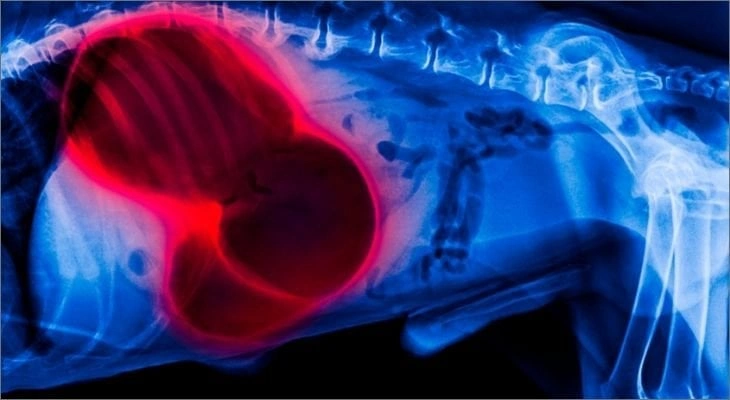
Bloat and Gastric Torsion
Created in Pet Health, Digestive and Oral Health
Bloat and gastric torsion is a serious condition and your pet should be rushed to the emergency room if this occurs. Certain breeds of dogs with deep chests and narrow waists, such as hounds, bouvier des Flandres, or doberman pinschers are more susceptible to a syndrome of gastric torsion and bloat. This occurs when the stomach twists on its supporting
Learn More
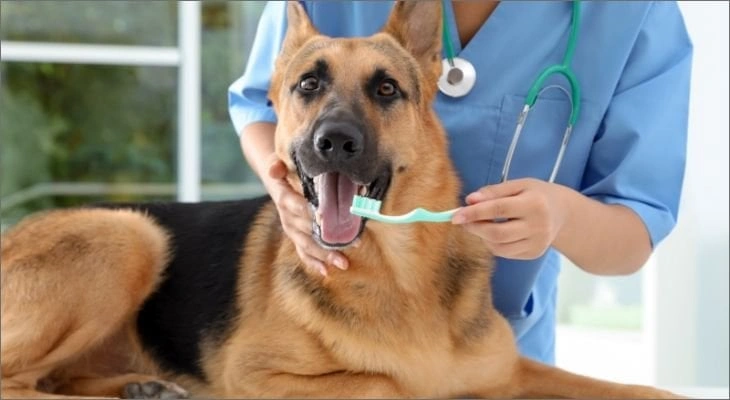
Dentistry
Created in Pet Health, Digestive and Oral Health
Over 85% of dogs and cats have some type of periodontal disease. Periodontal disease simply means that the gums and bone that hold the teeth in place are being destroyed by oral bacteria. This preventable disease is the number one diagnosed disease in our pets, yet many animals suffer needlessly. Periodontal disease begins with gingivitis, or inflammation of the gum
Learn More

Feline Stomatitis: Treatments
Created in Pet Health, Digestive and Oral Health
Cats rarely display their pain, but cats with feline stomatitis are often the exception. If your cat appears to have mouth pain, is reluctant to eat, doesn’t want to groom, is drooling, and doesn’t want you to open its mouth, it may be suffering from this debilitating, degenerative oral condition, and prompt treatment is a must. Stomatitis refers to an
Learn More

Diabetes Mellitus
Created in Pet Health, Chronic Conditions
Diabetes Mellitus (DM) is a life long disorder of dogs and cats that results when the pancreas fails to produce enough insulin to meet the animal’s needs. Insulin is a hormone needed to transport glucose (blood sugar) into the body’s cells. When there is a lack of insulin in the body, blood glucose rises to abnormally high levels. Over time,
Learn More

Liver Shunt
Created in Pet Health, Chronic Conditions
A liver shunt is also named a PSS, portosystemic shunt, portacaval shunt or portosystemic vascular anomaly. This abnormality occurs when a pet’s venous blood from the intestine bypasses the liver. In the normal pet, blood vessels pick up nutrients from ingested material in the intestine and carry it to the liver to be processed. In the case of a shunt, an abnormal
Learn More

Hypothyroidism
Created in Pet Health, Chronic Conditions
Hypothyroidism is the natural deficiency of thyroid hormone and is the most common hormone imbalance of dogs. This deficiency is produced by several different mechanisms. The most common cause (at least 95% of cases) is immune destruction of the thyroid gland. It can also be caused by natural atrophy of the gland, by dietary iodine deficiency, neoplasia (primary or metastatic)
Learn More

Cancer
Created in Pet Health, Chronic Conditions
Cancer, by definition, is the uncontrolled growth of cells. Any type of cells in the body can become cancerous. Once these cells grow out of control, they take over areas previously occupied by normal cells; sometimes these tumor cells break off and travel to other areas of the body. Wherever these cells lodge they can start new tumors. This process
Learn More
Categories