
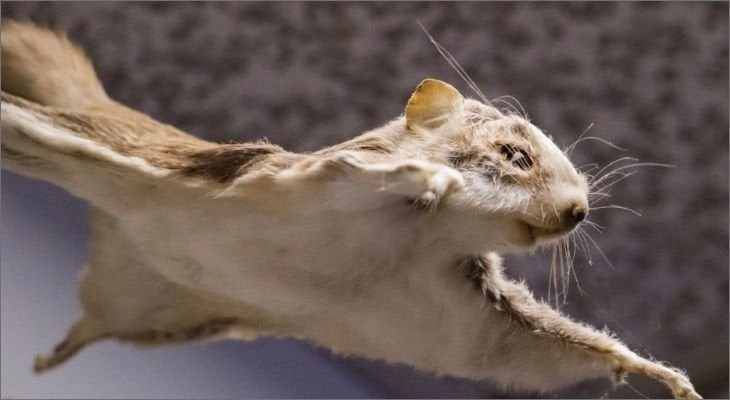
Flying Squirrels
Created in Small Mammals, Domesticated Animals
Much like sugar gliders, flying squirrels make affectionate pets when purchased young and raised by their owner. Unlike sugar gliders, however, flying squirrels are rodents that need veterinary care specific to the species. Your veterinary team can help with the care and treatment of flying squirrels. Health Flying squirrels like to leap, climb, and fly. This means they need tall
Learn More
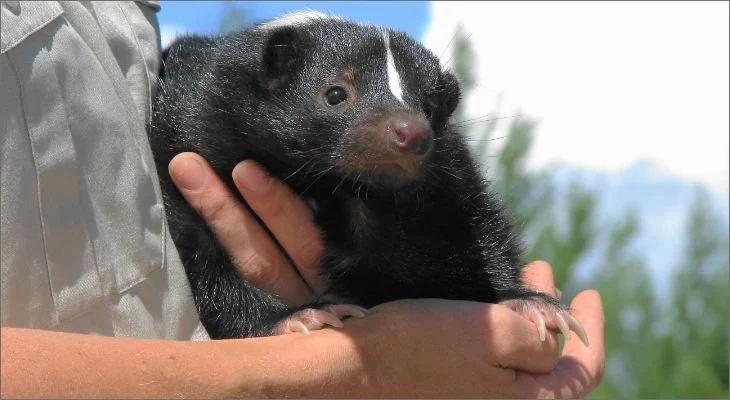
Skunks
Created in Small Mammals, Domesticated Animals
Home and Veterinary Care for Pet Skunks If you’re an adventurous pet owner, you may love exotic animals such as skunks. You’ll be happy to learn that skunks can indeed make excellent domestic pets, but only if they receive the proper care to enjoy a happy, healthy life. Your veterinary team can help guide you along this learning curve while
Learn More
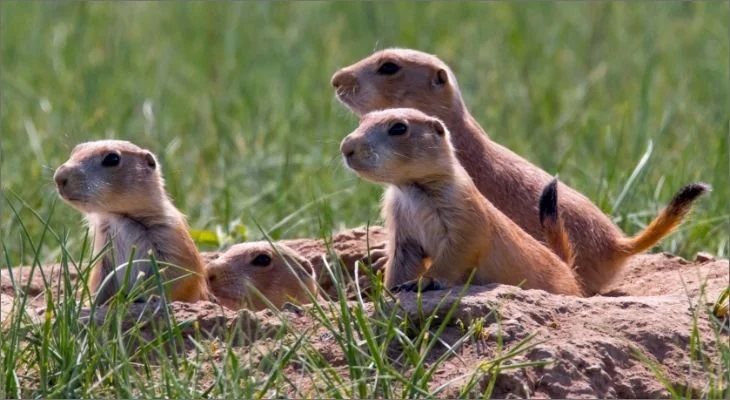
Prairie Dogs
Created in Small Mammals, Domesticated Animals | Domesticated Animals, Prairie Dogs
Prairie dogs are cute, affable creatures. But before taking one on as a pet, check your local laws. In some states, such as Colorado, it’s illegal to keep prairie dogs as pets. Mostly, this is because they may spread monkeypox. If you live in a state that welcomes pet prairie dogs, be sure to buy from a reputable prairie dog
Learn More
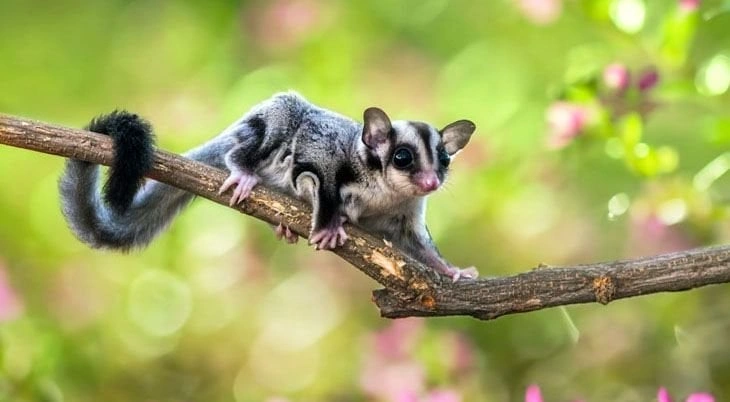
Sugar Gliders
Created in Small Mammals, Domesticated Animals
Thinking of getting a sugar glider? These tiny marsupials are energetic and friendly, making them popular choices as pets. Though they weigh less than a half-pound, they’re more closely related to kangaroos than they are flying squirrels. If you think a sugar glider would make an ideal pet for your family, here’s what our veterinary team would like you to
Learn More
Food and Housing
Created in Small Mammals, Ferrets | Small Mammals, Rabbits
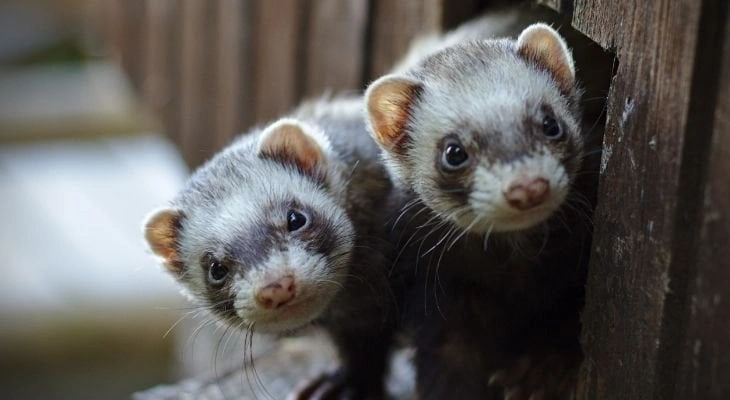
Food Ferrets are exceptionally playful, so expect your ferret to tip over his food and water bowls. Check on them often, tape them down, or use an unspillable bowl. Rodent water bottles are not recommended as a ferret may damage his teeth on the spout. Because ferrets have such rapid metabolism, they awaken to eat about every four hours. Fresh
Learn More

Behavior and Training
Created in Small Mammals, Ferrets
Ferrets have powerful, distinct and engaging personalities, and a playful and fastidious nature. Ferrets are diurnal creatures with their periods of greatest activity just before sunrise and shortly after sunset. They sleep about eighteen to twenty hours of the day, waking up twice a day for very active periods of about two hours. Due to their very high metabolism, ferrets
Learn More
Gerbils
Created in Choosing Your Pet, Small Mammals | Small Mammals, Pocket Pets
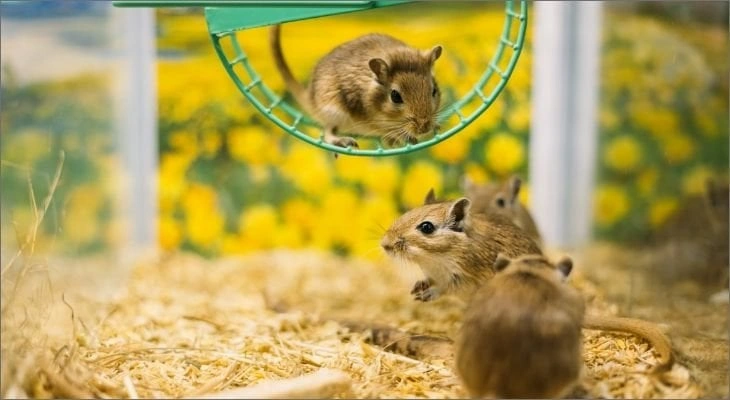
Gerbils are great little pets for pet owners who don’t have room for a dog or cat. They’re friendly and fun to watch, but they do take a moderate level of care and investment. If you’re thinking of getting a gerbil, here’s what you’ll need to know to keep him happy and healthy, including giving him a mate. Health Your
Learn More
Domestic Pigs
Created in Choosing Your Pet, Small Mammals | Small Mammals, Domesticated Animals
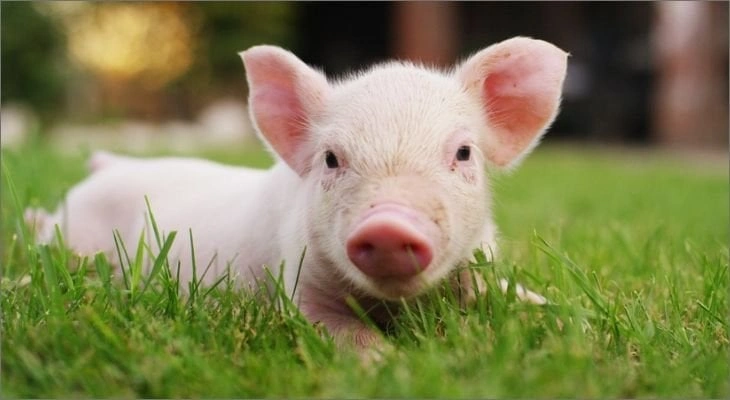
Pigs are great for families who want a relatively exotic but easy to care for a pet. Whether miniature, like a pot-bellied pig, or a full-sized animal, caring for a pig is similar to caring for a cat or dog. Health Domestic pigs need to see a veterinarian regularly for vaccinations and checkups. We recommend starting vaccinations between four and
Learn More

Ferret Health
Created in Choosing Your Pet, Small Mammals | Small Mammals, Ferrets
You will need to take your ferret in to your veterinarian twice a year for a medical checkup and yearly vaccinations. Ferrets require yearly inoculations against canine distemper. They are highly susceptible to canine distemper and it is always fatal. Do not forget to inoculate against this every year! If your ferret is outside for any length of time, a
Learn More
Handling and Restraint
Created in Choosing Your Pet, Small Mammals | Small Mammals, Rabbits
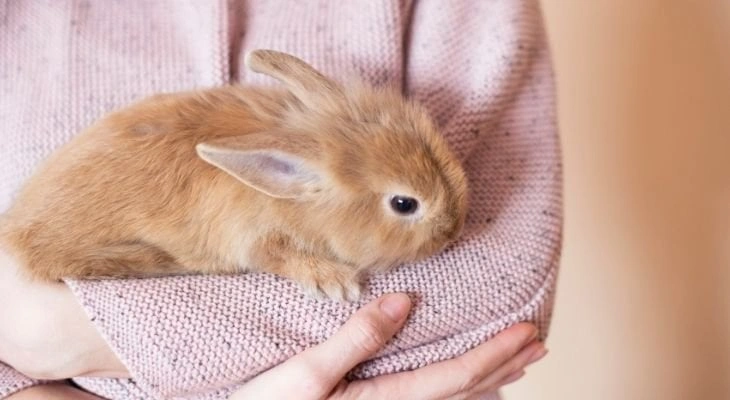
Improper handling may cause serious, life-threatening injuries. Fractures and dislocations of the back, most often resulting in paralysis of both rear legs, are the most common injuries. These injuries occur when rabbits are suddenly frightened and attempt to escape from a small enclosure. A rabbit’s spine is relatively lightweight and fragile. When a rabbit becomes frightened, it violently struggles by
Learn More
Categories