
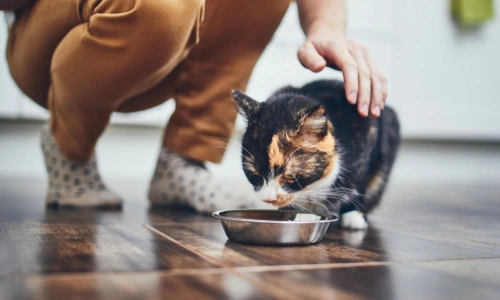
Preventing Obesity in Cats
Created in Newsletter Library, Cats
How to Help Your Cat Maintain a Healthy Weight Overweight cats look cute in cartoons and memes, but feline obesity is no laughing matter. Excess weight strains your pet’s heart and joints and increases the risk of diabetes, arthritis, urinary tract problems, cancer, and skin conditions. Is Your Cat Overweight? It’s difficult to determine the ideal weight for your cat
Learn More
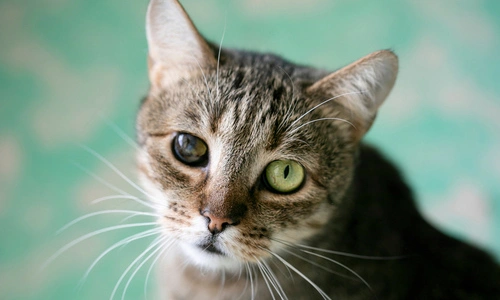
Glaucoma in Cats
Created in Newsletter Library, Cats
Could Glaucoma Destroy Your Cat’s Vision? Glaucoma, an eye disease that can cause vision loss in humans, may also affect your favorite feline. Although cats can develop the disease at any age, older cats may be at increased risk. How Glaucoma Affects Eyesight Glaucoma occurs when the pressure inside your cat’s eye rises dangerously high. Increasing pressure damages the optic
Learn More
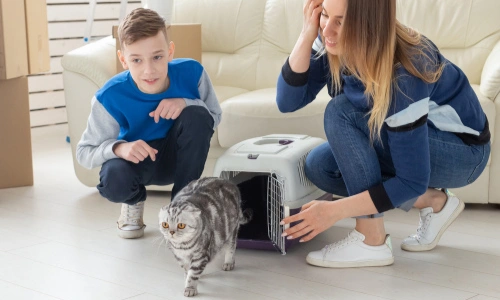
How to Help Your New Cat Feel Welcomed in Your Home
Created in Newsletter Library, Cats
Getting Your New Cat Accustomed to Your Home Will you be adding a cat or kitten to your household soon? Adjusting to a new home can be a little overwhelming for your pet. Following these tips may make the adjustment process much easier. Create a Safe Haven for Your Pet You’d probably feel a little nervous if you suddenly found
Learn More
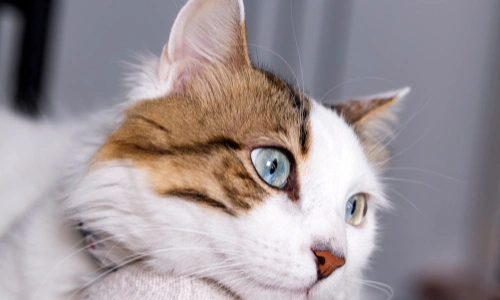
9 Reasons Your Cat May Be Losing Weight
Created in Newsletter Library, Cats
Is Anxiety, Stress, or a Disease Causing Your Cat to Lose Weight? It’s only natural to be concerned when your cat starts shedding pounds after years of maintaining the same weight. Sudden weight loss is often a warning sign that something is not quite right with your furry friend’s physical or mental health. These nine conditions, diseases, and other factors
Learn More

How to Help Your Cat Get More Exercise
Created in Newsletter Library, Cats
How to Help Your Cat Get More Exercise Has your cat turned into a fluffy couch potato? Energetic kittens can quickly become overweight cats if they don’t get enough exercise. Luckily, your feline friend can become more active with a little help from you. Inactivity Increases the Risk of Health Issues Your cat needs regular exercise to keep his or
Learn More
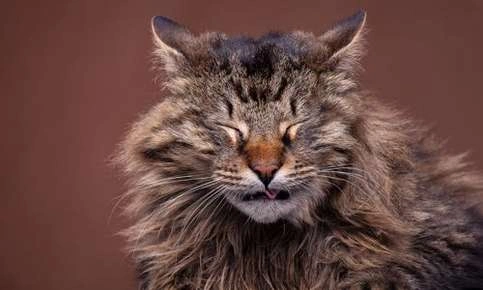
Could Those Sniffles Be a Symptom of the Feline Flu?
Created in Newsletter Library, Cats
The flu doesn’t just affect people. Your cat can develop the viral infection, too. Although most cats recover fully from a bout of the flu, it can be particularly hard on young, old and immune-compromised cats. Take a look at a few symptoms that can occur if your furry friend has the feline flu. Common Symptoms of Feline Flu Your
Learn More
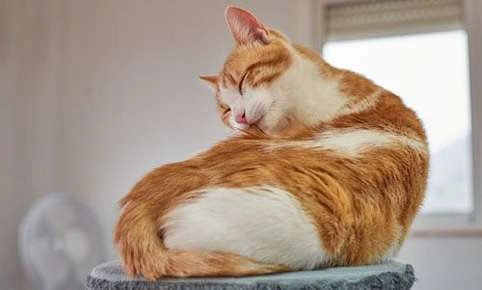
Does Your Cat Have a Grooming Problem?
Created in Newsletter Library, Cats
Good grooming comes naturally to most cats. They diligently lick their fur multiple times per day, ensuring that their coats look sleek and healthy no matter what the season. When your normally well-groomed pet suddenly looks greasy and disheveled, it’s only normal to be concerned. Although most short-term changes in grooming aren’t serious, over- or under-grooming can be a sign
Learn More

Tips for Traveling With Your Pet
Created in Newsletter Library
How to Travel Safely and Comfortably With Your Pet Pets are spending more time on the road or in the air these days. In fact, close to 95 percent of pet owners planned to take their pets on overnight trips in 2018, according to a Go Pet Friendly survey. Although vacations are always more fun when your pet comes along,
Learn More

Summer Grooming Tips
Created in Newsletter Library
How to Keep Your Pet Cool This Summer Your pet may not need a new summer wardrobe, but your furry friend can certainly benefit from a little extra grooming during the warmest months of the year. These five summer grooming tips will help keep your pet cool, clean, and comfortable during the summer months. Brush Your Pet Often As temperatures
Learn More

Flea and Tick Season
Created in Newsletter Library
Are You Ready for Flea and Tick Season? The spring and summer months are peak flea and tick season in many parts of the U.S. Although the insects thrive in tall grass and wooded areas, you may also find them in your backyard. Luckily, reducing your pet’s risk of a flea- or tick-borne illness can be as simple as taking
Learn More
Categories