

New Pet? 7 Questions to Ask Your Family Veterinarian
Created in Newsletter Library, Tips for Pet Owners
Your new family member may be furry with whiskers and a tail, or have scales, hooves or even wings. If you’re the proud new owner of a new pet, chances are you’ll have best results integrating your new pet into your family when you include a veterinarian on your team. “Having a new pet isn’t like having a new toy,”
Learn More

Multiple Pets Benefit Families
Created in Newsletter Library, Tips for Pet Owners
Just like humans, furry family members need to have company, playmates and social interactions to be happy. Sometimes it’s hard to remember that our family pets are animals first and family second. We typically look at the benefits of pets in homes from the standpoint of work and expense involved. But are there benefits to having more than one pet
Learn More
Microchipping Your Pet
Created in Newsletter Library, Tips for Pet Owners
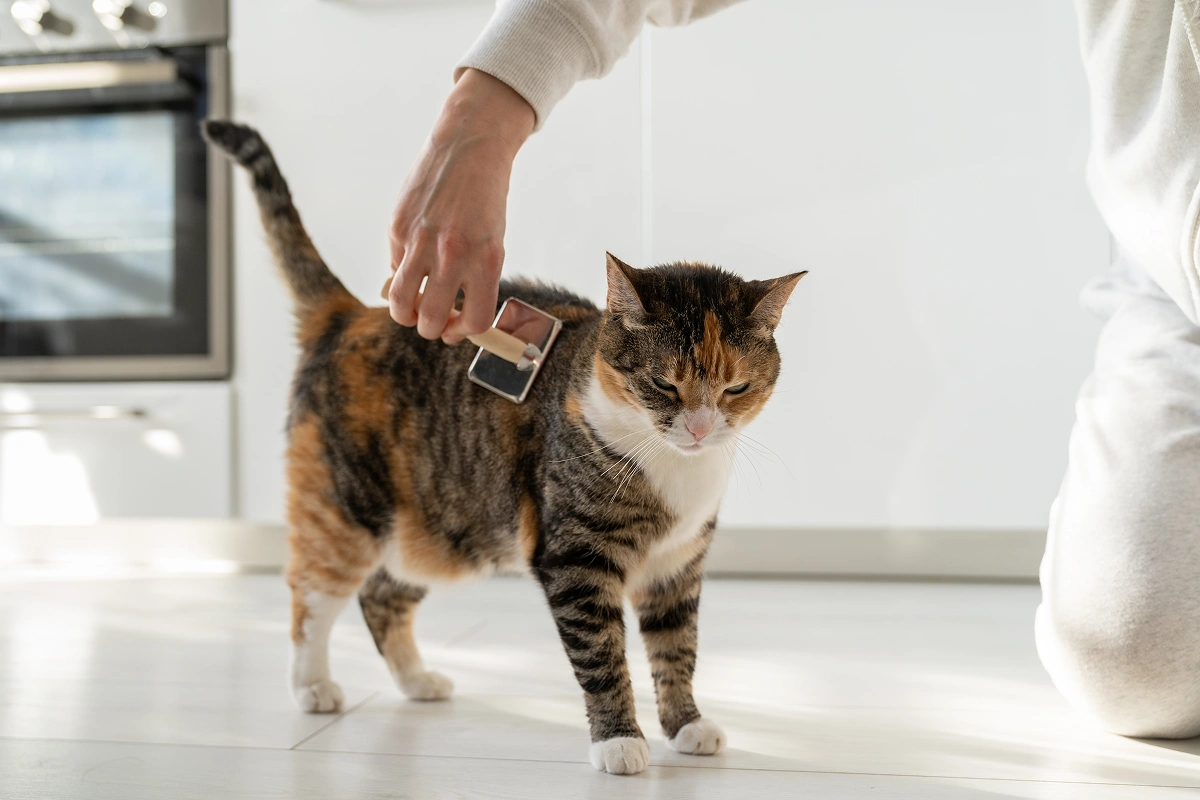
Each year, nearly 8 million animals end up in local shelters. Of those 8 million pets, data shows that less than 20 percent of lost dogs and less than 2 percent of missing cats are ever returned to their original owners. Thankfully, there are some useful tools available to help pet owners who have lost their pets find them again
Learn More

Adopting a Pet From a Rescue Group
Created in Newsletter Library, Tips for Pet Owners
Are you interested in adopting a pet from a rescue group but aren’t sure if it’s the best option for you? We answer a few common questions about rescue groups and explain how adoptions work. What Is the Difference Between Shelters, Humane Societies, and Rescue Groups? Shelters are usually run by cities or municipalities, while humane societies are managed by
Learn More
What You Need to Know About Rabies
Created in Newsletter Library, Tips for Pet Owners
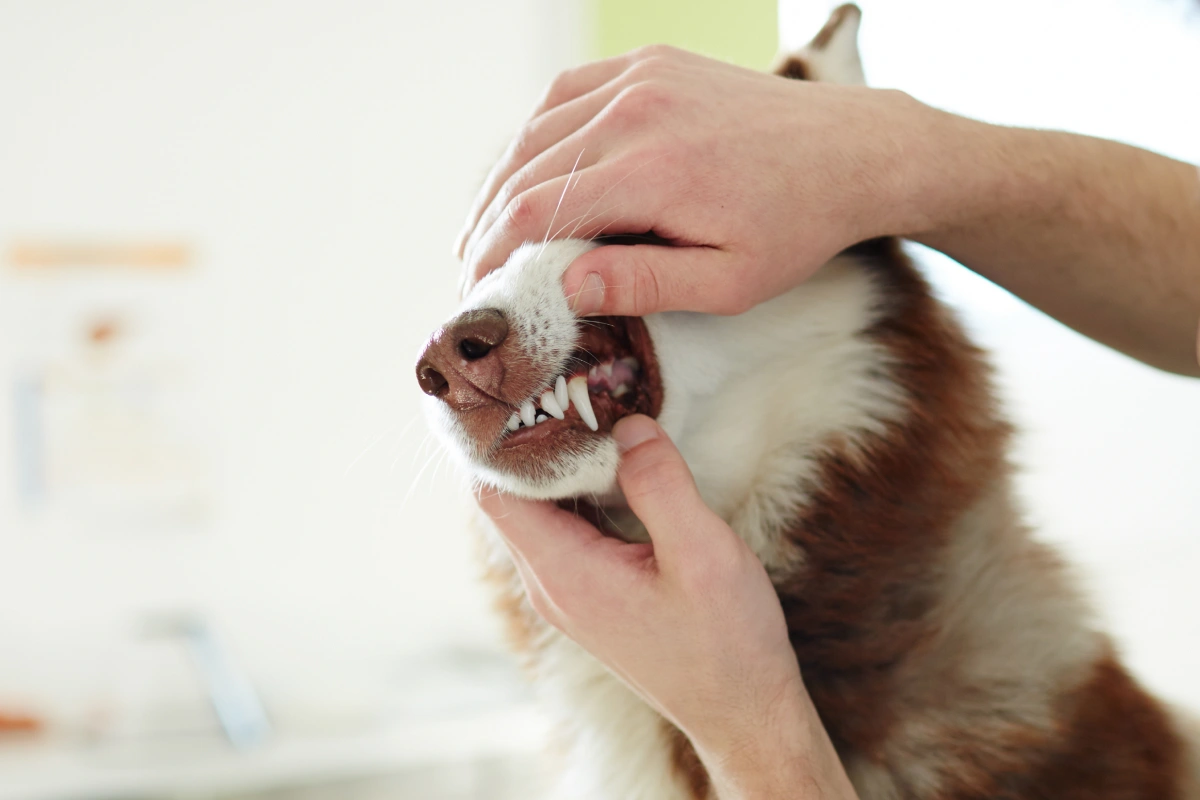
Rabies is deadly disease, but, luckily, outbreaks are not particularly common in the United States. In fact, 95 percent of deaths due to rabies occur in Africa and Asia, according to the World Health Organization. Although rabies might not be widespread in the U.S., the consequences can be severe if you are bitten by a rabid animal. A Dangerous Virus
Learn More

Living with a Handicapped Pet
Created in Newsletter Library, Tips for Pet Owners
Strokes, vision problems, arthritis and other conditions don’t just affect people. Pets also develop serious health problems that change their lives. Fortunately, you can help your handicapped pet enjoy a comfortable, happy life by making a few modifications to your home. Make Your Home Accessible Many diseases, conditions and injuries make it difficult for your dog or cat to navigate
Learn More

Adopting a Pet Is Just the Beginning
Created in Newsletter Library, Tips for Pet Owners
Adopting a pet brings great joy and excitement to individuals and families, but it also introduces new responsibilities and concerns. Your new family member deserves the same health and safety considerations you would want for the people in your life. Pet Proofing Before you even bring your new dog or cat home with you, take steps to “pet-proof” your home.
Learn More

A Great Tool for Pet Owners
Created in Newsletter Library, Tips for Pet Owners
Modern veterinary medicine has seen many technological advances: digital x-ray, color Doppler ultrasound, CT scans, and MRI. There is, however, another great tool that has helped veterinarians and that most people have at their fingertips – their smart phone! The photo and video capability of phones has helped communication between pet owners and their pets’ doctors. Often, it is
Learn More

Are You Leaving Your Pet Alone?
Created in Newsletter Library, Tips for Pet Owners
Many of us can’t stay home with our pets all day long, but that doesn’t mean you can’t have a happy dog or cat. As with children, quality can help make up for lack of quantity, according to animal behaviorist and CALLING ALL PETS host Patricia “Trisha” McConnell. “What’s really important is what happens before you leave the house and
Learn More
Does Your Bird Need a Blankie?
Created in Newsletter Library, Tips for Pet Owners
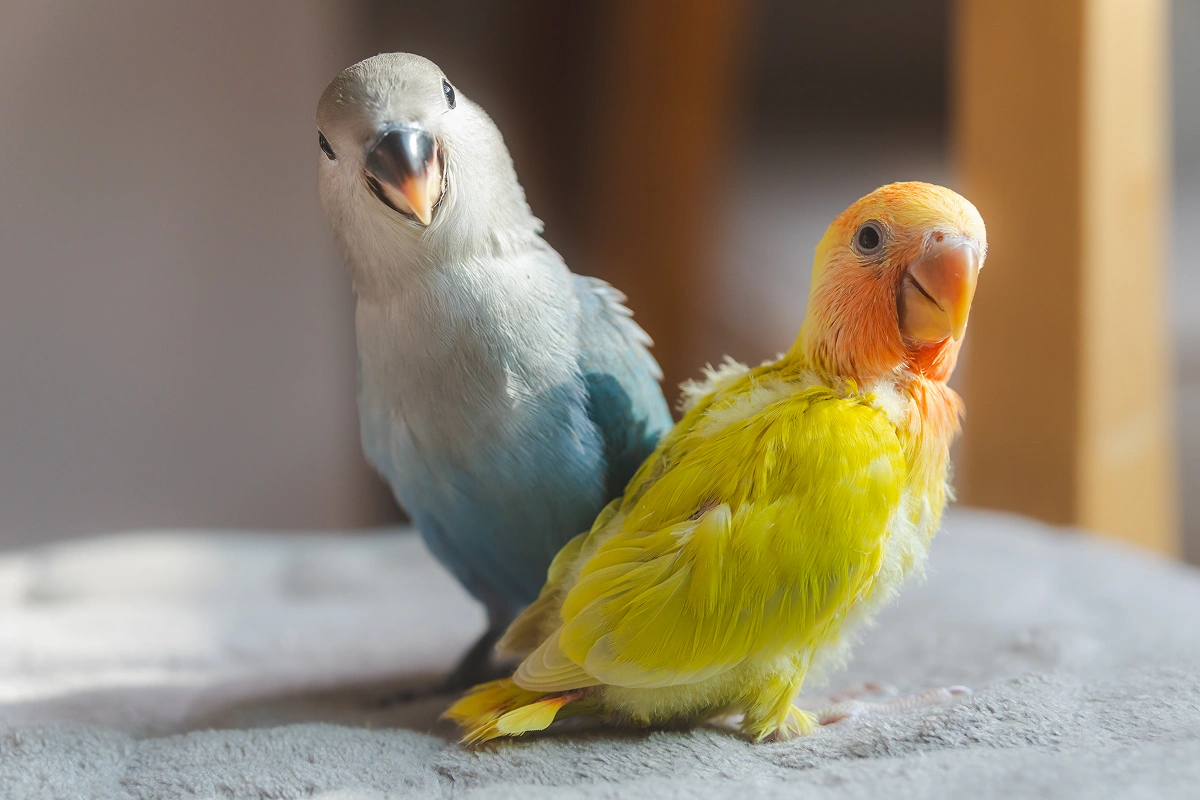
The answer to that is …it depends on the situation. Some birds prefer to remain uncovered during bedtime; where as other birds cannot sleep without their “security blankets”. On average, birds need about 12 hours of good, quality sleep each night to remain in peak condition. Much like people, their rest periods can be disturbed by noise and bright light. For
Learn More
Categories