
Created in Choosing Your Pet, Dogs
Intervertebral Disc Disease (IVDD) is one of the most common spinal conditions affecting dogs. Many pet owners first hear about it after their dog develops pain, weakness, or sudden paralysis. Understanding IVDD before symptoms appear can make a significant difference in your dog’s long-term health.
This guide explains what IVDD is, which dogs face the highest risk, early warning signs, prevention strategies, treatment options, and when surgery may become necessary. By learning these facts now, dog owners can make informed decisions that help protect mobility, comfort, and quality of life for years to come.
What Is IVDD in Dogs?
Intervertebral Disc Disease occurs when the discs between the vertebrae of the spine begin to deteriorate, bulge, or rupture. These discs act as cushions that absorb movement and protect the spinal cord.
When a damaged disc presses against the spinal cord, it can cause pain, nerve damage, weakness, and loss of movement. The severity of IVDD varies. Some dogs experience mild discomfort, while others develop sudden paralysis that requires immediate medical attention.
IVDD can affect any area of the spine. The neck and middle back are among the most commonly affected regions.
Why Does IVDD Develop?
A combination of genetics, age, body structure, and lifestyle factors contributes to IVDD.
Common risk factors include:
- Long-backed body shape
- Excess body weight
- Repetitive jumping
- Aging spinal discs
- Previous spinal injuries
- Limited muscle strength
Certain breeds have a greater genetic predisposition to disc degeneration. In many cases, the condition develops gradually before any visible symptoms appear.
Breeds Most Commonly Affected by IVDD
High-Risk Dog Breeds
Several breeds are diagnosed with IVDD more frequently than others:
- Dachshunds
- French Bulldogs
- Beagles
- Corgis
- Shih Tzus
- Pekingese
- Basset Hounds
- Cocker Spaniels
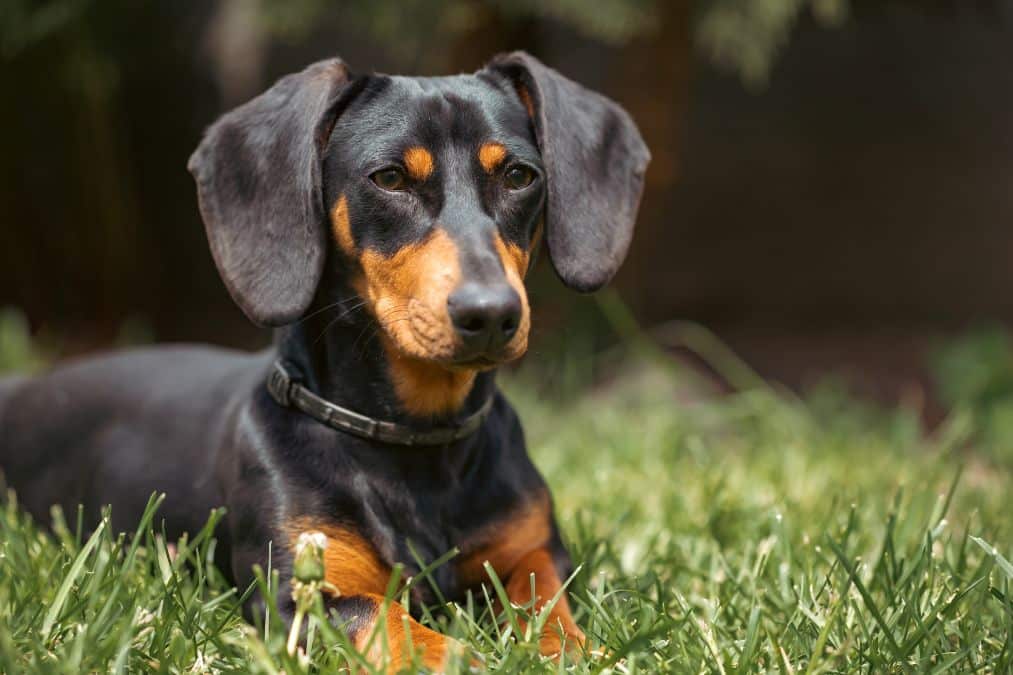
Dachshunds are especially vulnerable because of their elongated spine and unique body structures. Many experts estimate that a significant percentage of Dachshunds will experience IVDD during their lifetime.
Large breeds can also develop spinal disc disease, though the pattern and progression may differ.
Early Signs Every Dog Owner Should Recognize
Recognizing symptoms early creates the best opportunity for successful treatment.
Common Early IVDD Symptoms
Watch for:
- Reluctance to jump
- Difficulty climbing stairs
- Neck pain
- Back pain
- Muscle tension
- Shaking or trembling
- Reduced activity
- Changes in posture
- Sensitivity when touched
- Unsteady walking
Many dogs initially show subtle behavioral changes rather than obvious physical symptoms.
Emergency Signs
Immediate medical evaluation is necessary if a dog experiences:
- Dragging limbs
- Inability to stand
- Loss of coordination
- Sudden paralysis
- Loss of bladder control
- Loss of bowel control
These signs may indicate significant spinal cord compression.
Can IVDD Be Prevented?
No prevention strategy eliminates risk. Several measures can reduce strain on the spine and support long-term spinal health.
1. Maintain a Healthy Weight
Excess weight places additional pressure on the spine and discs. Maintaining a healthy body condition remains one of the most effective ways to lower the risk of spinal problems.
2. Limit High-Impact Activities
Repeated jumping from furniture, vehicles, or elevated surfaces increases spinal stress. Pet ramps and stairs help reduce impact during daily activities.
3. Encourage Safe Exercise
Regular low-impact exercise strengthens muscles that support the spine. Walking and controlled activity often provide excellent benefits without excessive strain.
4. Use Proper Handling Techniques
Supporting both the chest and hindquarters when lifting a dog helps protect the spine. This recommendation is especially important for long-backed breeds.
How Is IVDD Diagnosed?
Diagnosis begins with a physical and neurological examination. The goal is to identify the location and severity of spinal cord involvement.
Diagnostic testing may include:
- X-rays
- Advanced imaging
- MRI scans
- CT scans
- Neurological assessments
Advanced imaging provides detailed information about the affected disc and surrounding spinal structures.
Treatment Options for Dogs With IVDD
Treatment depends on symptom severity, neurological status, and overall health.
Conservative Management
Dogs with mild symptoms may benefit from:
- Strict rest
- Pain management
- Anti-inflammatory medication
- Rehabilitation exercises
- Activity modification
Close monitoring remains essential during recovery.
Surgical Treatment
Surgery may be recommended when severe spinal cord compression is present or when conservative treatment fails to improve symptoms.
Many dogs regain function after timely intervention. Facilities offering advanced pet surgical care can evaluate whether surgery represents the most appropriate option for a specific case.
Recovery and Long-Term Outlook
Recovery timelines vary widely. Some dogs improve within weeks, while others require several months of rehabilitation.
Factors influencing recovery include:
- Severity of nerve damage
- Speed of diagnosis
- Treatment choice
- Age and health status
- Commitment to rehabilitation
Dogs treated before severe neurological deficits develop often achieve more favorable outcomes.
Many dogs continue to enjoy active, fulfilling lives after successful IVDD treatment.
Building a Lifelong Spine Protection Plan
Spinal health should become part of every dog’s wellness routine. Routine health evaluations, weight management, safe exercise, and prompt attention to behavioral changes all contribute to early detection.
Owners of high-risk breeds benefit from proactive planning before symptoms appear. Understanding IVDD empowers families to recognize problems quickly and seek care before permanent damage develops.
Knowledge remains one of the most valuable tools for protecting your dog’s mobility. Taking preventive steps today can help preserve comfort, independence, and quality of life throughout every stage of your companion’s life.
Frequently Asked Questions(FAQs):
1. What is the first sign of IVDD in dogs?
A: The earliest sign is often reluctance to jump, climb stairs, or participate in normal activities. Some dogs also show mild back pain, stiffness, trembling, or sensitivity when touched before more serious symptoms develop.
2. Can a dog recover from IVDD without surgery?
A: Dogs with mild to moderate cases may recover through strict rest, medication, rehabilitation, and activity restriction. Recovery depends on the severity of spinal cord compression and how quickly treatment begins.
3. Which dog breed has the highest risk of IVDD?
A: Dachshunds have the highest risk due to their long backs and genetic predisposition to disc degeneration. French Bulldogs, Corgis, Beagles, and several other breeds also face elevated risk.
4. Is IVDD painful for dogs?
A: Yes. IVDD can cause significant neck or back pain. Dogs may cry out, avoid movement, appear tense, or become less active. Pain levels vary depending on the extent of disc damage.
5. How can I reduce my dog’s risk of IVDD?
A: Maintain a healthy weight, limit repetitive jumping, provide safe exercise, use ramps when appropriate, and support your dog’s body correctly when lifting. These habits help reduce spinal strain.
6. When is surgery necessary for IVDD?
A: Surgery is often recommended when a dog experiences severe weakness, paralysis, loss of bladder control, or persistent symptoms that do not improve with conservative treatment. Early intervention often improves outcomes.
Categories