
Created in Newsletter Library
As a pet owner, you want your furry companion to enjoy a long, healthy, and comfortable life. While many people focus on nutrition, exercise, vaccinations, and wellness exams, dental health is often overlooked. However, maintaining a clean and healthy mouth plays a vital role in your pet’s overall well-being.
Regular dental cleanings do much more than freshen your pet’s breath. They help prevent serious oral diseases, reduce discomfort, and protect important organs from harmful bacteria. By prioritizing your pet’s oral health, you can help them stay happier and healthier for years to come. For pet owners in Warsaw, NC, understanding the benefits of routine dental care can make a significant difference in their pet’s quality of life.
Why Dental Health Matters for Pets
Just like humans, pets develop plaque and tartar on their teeth over time. Plaque is a sticky film of bacteria that forms on the tooth surface. If it is not removed regularly, it hardens into tartar, which can only be removed through professional cleaning.
As tartar accumulates, bacteria begin to irritate the gums and surrounding tissues. Eventually, this can lead to periodontal disease, one of the most common health conditions affecting dogs and cats.
Unfortunately, dental disease often develops gradually. Many pets continue eating and behaving normally despite experiencing discomfort. As a result, problems may go unnoticed until they become severe.
The Connection Between Oral Health and Overall Health
The mouth serves as an entry point to the rest of the body. When harmful bacteria build up in the mouth, they do not remain confined there.
Instead, bacteria can enter the bloodstream and travel to major organs, including the heart, liver, and kidneys. Over time, this bacterial spread may contribute to serious health complications.
Professional dental cleanings help reduce bacterial populations and support healthier body systems. This is one reason veterinarians emphasize routine oral care as part of comprehensive wellness care.
Common Signs of Dental Disease in Pets
Many pet owners are unaware that their companion may be suffering from dental problems. Recognizing the warning signs can help you seek veterinary attention before the condition worsens.
Common symptoms include:
- Persistent bad breath
- Yellow or brown tartar buildup
- Red or swollen gums
- Difficulty chewing food
- Excessive drooling
- Loose or missing teeth
- Pawing at the mouth
- Bleeding gums
- Decreased appetite
- Behavioral changes due to discomfort
If you notice any of these signs, scheduling a dental evaluation is important.
Benefits of Regular Dental Cleanings
Prevents Periodontal Disease
Periodontal disease begins with plaque accumulation and progresses to inflammation, infection, and tissue destruction.
Routine cleanings remove plaque and tartar before they cause significant damage. Preventing periodontal disease helps preserve healthy gums, teeth, and supporting structures.
Early intervention is always easier and less costly than treating advanced dental disease.
Reduces Oral Pain and Discomfort
Many pets experience oral pain without showing obvious symptoms.
Inflamed gums, infected tissues, and damaged teeth can cause significant discomfort. Because animals naturally hide pain, owners may not realize their pet is suffering.
Regular cleanings allow veterinarians to identify and address issues before they become painful. As a result, pets often feel more comfortable and enjoy a better quality of life.
Improves Breath Odor
Bad breath is often one of the first signs of dental disease.
While many people assume unpleasant breath is normal for pets, persistent odor usually indicates bacterial growth within the mouth.
Professional cleanings remove bacteria and debris that contribute to foul-smelling breath. Consequently, your pet’s breath becomes noticeably fresher.
Helps Preserve Natural Teeth
Tooth loss is not a normal part of aging.
When dental disease progresses, the structures supporting the teeth begin to weaken. Eventually, teeth may become loose and require extraction.
Routine dental care helps maintain strong teeth and healthy gums. Preserving natural teeth allows pets to eat comfortably and maintain normal chewing function.
Supports Heart Health
Research has shown that oral bacteria can enter the bloodstream and affect cardiovascular health.
While dental cleanings cannot guarantee the prevention of heart disease, reducing bacterial exposure may decrease the risk of complications associated with chronic oral infections.
Maintaining good oral hygiene contributes to overall wellness and supports healthier body systems.
Protects Kidney and Liver Function
The kidneys and liver work continuously to filter toxins from the body.
When harmful bacteria circulate through the bloodstream, these organs may experience additional stress. Over time, chronic infections can potentially contribute to organ damage.
Regular dental cleanings help minimize bacterial burdens and support long-term organ health.
Enhances Quality of Life
Healthy pets are generally more active, comfortable, and engaged.
When oral pain is eliminated, pets can enjoy eating, playing, and interacting with their families more comfortably. Improved oral health often leads to noticeable improvements in mood and energy levels.
What Happens During a Professional Dental Cleaning?
Many pet owners wonder what is involved in a veterinary dental procedure.
Professional cleanings are much more thorough than simply brushing visible teeth.
A typical dental cleaning includes:
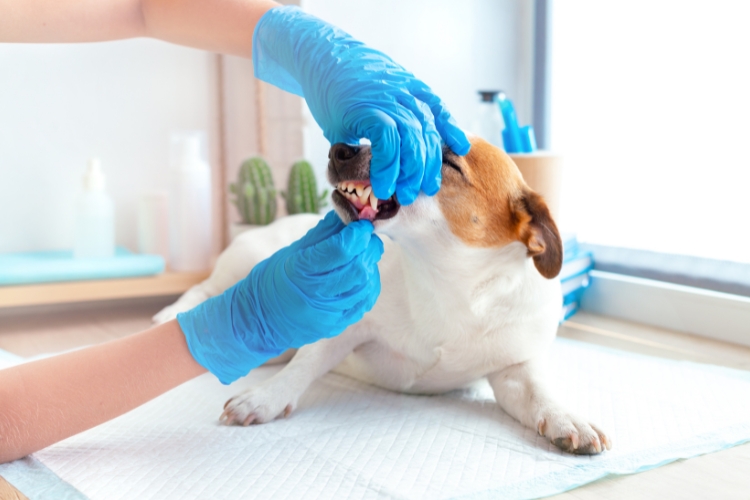
Comprehensive Oral Examination
Your veterinarian carefully evaluates the mouth, gums, tongue, and teeth for signs of disease or abnormalities.
Dental X-Rays
Dental radiographs allow veterinarians to examine structures below the gumline that cannot be seen during a visual exam.
Many dental issues occur beneath the surface, making X-rays an essential diagnostic tool.
Scaling and Tartar Removal
Specialized instruments remove plaque and tartar from both above and below the gumline.
This step helps eliminate harmful bacteria and prevent further disease progression.
Tooth Polishing
After scaling, the teeth are polished to create a smooth surface that helps slow future plaque accumulation.
Treatment of Dental Problems
If damaged, infected, or severely diseased teeth are identified, your veterinarian may recommend additional treatment such as extractions or periodontal therapy.
How Often Should Pets Receive Dental Cleanings?
The ideal schedule varies depending on several factors, including:
- Age
- Breed
- Genetics
- Diet
- Existing dental conditions
- Overall health
Some pets may benefit from annual cleanings, while others require more frequent care.
Small dog breeds often develop dental disease earlier than larger breeds and may need closer monitoring.
Your veterinarian can recommend an individualized dental care plan based on your pet’s specific needs.
Home Care Between Professional Cleanings
Although professional cleanings are essential, home care plays a major role in maintaining oral health.
Some effective strategies include:
Tooth Brushing
Brushing your pet’s teeth regularly remains one of the most effective ways to reduce plaque buildup.
Use a toothbrush and toothpaste specifically designed for pets.
Dental Diets
Certain veterinary-approved diets are formulated to help reduce plaque and tartar accumulation.
Dental Chews
Appropriate dental chews can help support oral hygiene while providing enrichment.
Regular Oral Checks
Periodically examine your pet’s mouth for signs of redness, swelling, tartar, or unusual growths.
Early detection allows for faster treatment.
Which Pets Are Most at Risk for Dental Disease?
Although all pets can develop oral health problems, some are at greater risk.
Higher-risk groups include:
- Small breed dogs
- Senior pets
- Flat-faced breeds
- Pets with crowded teeth
- Animals with previous dental disease
- Pets receiving inadequate oral hygiene
Routine veterinary examinations help identify risk factors before significant disease develops.
The Long-Term Value of Preventive Dental Care
Preventive care often saves both money and stress in the long run.
Treating advanced periodontal disease frequently requires extensive procedures, extractions, medications, and follow-up visits. In contrast, routine cleanings help prevent many serious complications from developing.
Investing in preventive oral health measures can contribute to a healthier, happier pet throughout every stage of life.
Why Choose Warsaw Animal Hospital for Your Pet’s Dental Needs?
At Warsaw Animal Hospital, we understand the important role oral health plays in your pet’s overall wellness. Our experienced veterinary team provides comprehensive dental evaluations, professional cleanings, diagnostic imaging, and personalized treatment recommendations.
We focus on preventive care, early detection, and compassionate treatment to help pets maintain healthy smiles and better overall health. Through advanced dental services and patient-centered care, we work closely with pet owners to develop effective oral health plans tailored to each pet’s unique needs.
Conclusion
A healthy mouth contributes to a healthier body. Regular dental cleanings help prevent periodontal disease, reduce pain, protect vital organs, preserve teeth, and improve your pet’s quality of life. By combining professional veterinary care with consistent home maintenance, you can support your companion’s long-term health and comfort.
If you’re in Warsaw, NC, and looking for pet dental care, contact Warsaw Animal Hospital. Our veterinary team is dedicated to helping your pet achieve optimal oral health and overall wellness through compassionate, high-quality dental services.
Frequently Asked Questions
1. Why are professional dental cleanings important for pets?
Professional dental cleanings remove plaque and tartar that cannot be eliminated through home care alone. They help prevent periodontal disease, tooth loss, and potential health complications affecting other organs.
2. How can I tell if my pet needs a dental cleaning?
Common signs include bad breath, red gums, tartar buildup, drooling, difficulty eating, loose teeth, and changes in behavior. A veterinary examination can determine whether a cleaning is needed.
3. How often should my pet have a dental cleaning?
The frequency depends on your pet’s age, breed, oral health, and risk factors. Many pets benefit from annual cleanings, although some may require more frequent care.
4. Is anesthesia necessary during dental cleanings?
Yes. Anesthesia allows veterinarians to safely perform a complete oral examination, take dental X-rays, clean below the gumline, and provide treatment without causing stress or discomfort.
5. What can I do at home to maintain my pet’s dental health?
Regular tooth brushing, dental diets, approved dental chews, and routine oral checks can help maintain healthy teeth and gums between veterinary visits.
6. Why choose Warsaw Animal Hospital for dental care?
Warsaw Animal Hospital offers comprehensive dental services, advanced diagnostics, personalized treatment plans, and compassionate care designed to support your pet’s long-term oral and overall health. Contact our team today to schedule an appointment.
Categories