
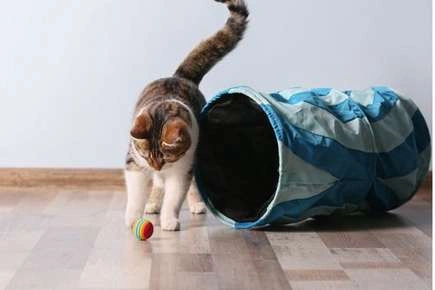
Keep Cats Moving and Grooving
Created in Newsletter Library, Cats
Keeping your cat active can help it burn calories and use muscles, tendons and ligaments that may often be seen catnapping. Burning calories is important for your cat. The more your cat moves and exercises, the more calories it will expend during the activity. Exercise will help to off-set the naps taken in your favorite chair and help to prevent
Learn More
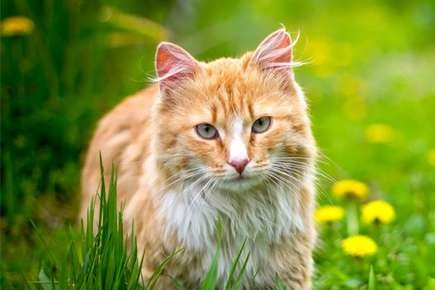
Is a Feral Cat Right for You?
Created in Newsletter Library, Cats
In many ways, Tiger Kitty (or TK as he’s known for short) isn’t your typical feral cat. Unlike his still-wild counterparts who still roam around, homeless and often hungry, he now has a home. When his owners get home at night, he runs out to meet them and rubs against their ankles looking to be patted. At night, he sleeps
Learn More
How to Keep Your Cat from Getting Fat
Created in Newsletter Library, Cats
A fat cat may appear happy and provide visitors with a source of amusement, but feline obesity is certainly no laughing matter. Cats who carry excess weight have a heightened risk for diabetes, cancer, liver problems, degenerative joint pain and other conditions that could severely curtail its quality of life. Recent studies discovered that more than half of all dogs
Learn More
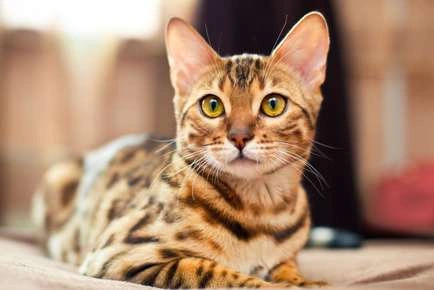
Medical Benefits of Regular Home Grooming for Cats
Created in Newsletter Library, Cats
The condition of your cat’s coat and skin is an important feline health indicator. Healthy coats are shiny and smooth, and healthy skin will be supple and clear. While nutrition and health status will influence a cat’s appearance, regular grooming also has an impact. At-home grooming care, including daily brushing, is an important part of feline wellness care. While most
Learn More
Understanding Renal Failure in Cats
Created in Newsletter Library, Cats
Acute renal failure and chronic renal failure are two health problems that commonly affect cats. Acute renal failure can affect cats at any age; emergency care is essential to treating this condition and saving a cat’s life. Chronic renal failure typically occurs in senior cats. According to the American Association of Feline Practitioners, 49% of all cats over the age
Learn More

Does Your Cat Need Vaccines?
Created in Newsletter Library, Cats
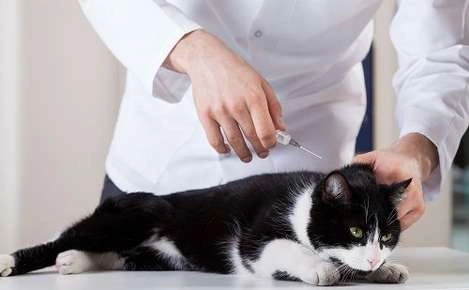
In a word, yes. “No other medical development has been as successful as vaccination in controlling deadly diseases in companion animals,” says feline veterinarian Dr. Arnold Plotnick. The Exception Dr. Plotnick and other veterinarians acknowledge that, rarely, vaccinations in cats have been linked to the development of fibrosarcoma, a type of cancer that may occur at the site of injection.
Learn More

All About Hairballs
Created in Newsletter Library, Cats
Does your favorite feline leave you hairballs as gifts? If so, you’re not alone. Although we love cats for being meticulous groomers, it’s safe to say we don’t like finding hairy presents around the house. Let’s explore what causes hairballs and how to prevent them. What Causes a Hairball? Hairballs are clusters of fur, or hair, that your cat unintentionally
Learn More

6 Rules to Improve Your Cat’s Diet
Created in Newsletter Library, Cats
Do Not Overfeed “Obesity is the most common nutritional disease seen in cats,” says Joe Bartges, DVM, PhD at the University of Tennessee’s College of Veterinary Medicine. It is a common bad habit for cat owners to feed their cats too much. Cats only need 24 to 35 calories per pound of body weight each day. This guideline is a
Learn More
Do Cats Really Love Milk?
Created in Newsletter Library, Cats
Cats, unlike dogs, are true carnivores which means they thrive on meat only diets and require no vegetable, grain, or dairy supplementation. Cows milk is not recommended for cats because it can be too rich for their digestive systems. This is because most cats can’t digest milk properly because it contains lactose and most cats are lactose intolerant. The proteins in
Learn More
Declawing Alternatives for Cats
Created in Newsletter Library, Cats
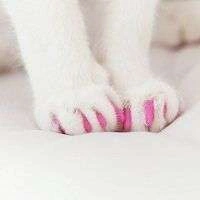
Cat declawing is possibly one of the most controversial of all animal surgeries. Cats scratch to mark territory and to keep their claws in top condition, but the scratching behavior can challenge the bond between a cat and his owner. Felines, especially young cats, often play rough and scratch their owners or other animals. Scratching behavior also ruins furniture, flooring,
Learn More
Categories