
Created in Pet Health
A dental problem can cause pain, bleeding, swelling, trouble eating, or a broken tooth. Pets often hide discomfort, so changes in chewing, behavior, breath, or facial appearance can be important clues.
This guide covers warning signs, safe steps at home, when professional attention is needed, and ways regular oral care can reduce future problems. Pet owners in Warsaw can use this information to make informed decisions.
Know the Signs Before They Get Worse
Pain While Eating
A pet that drops food, chews on one side, avoids hard treats, or walks away from meals may have oral pain. Pawing at the mouth or resisting face touches can also signal discomfort.
Bleeding or Swollen Gums
Repeated bleeding should not be ignored. Red, swollen, or tender gums can point to inflammation, injury, or infection.
Broken, Loose, or Missing Teeth
A cracked tooth can expose sensitive tissue. A loose tooth can hurt when your pet eats. A missing tooth after injury deserves attention, especially with bleeding, swelling, or pain.
Facial Swelling or Bad Breath
Swelling beneath an eye, along the jaw, or around the mouth can occur with a damaged tooth or infection. Persistent foul breath can reflect ongoing oral disease.
What Should You Do Right Away?
Keep your pet from chewing hard objects. Offer soft food if eating is comfortable. Do not pull a loose tooth, scrape gums, or press on swelling.
Avoid human pain relievers unless a professional specifically instructs you to use one. Common medications can be dangerous for dogs and cats. Do not apply household antiseptics, essential oils, or numbing products inside the mouth.
For active bleeding, use gentle pressure with clean gauze only if your pet allows it safely. Do not force the mouth. Keep your pet quiet and seek advice.
When Is Immediate Care Needed?
Seek prompt help for heavy or persistent bleeding, severe facial swelling, trouble breathing, inability to close the mouth, intense pain, repeated vomiting after an oral injury, or a major jaw injury.
A damaged tooth may not look dramatic outside. A fracture can expose deeper structures and create a pathway for bacteria. Delayed care can worsen pain or infection.
For urgent guidance, explore trusted resources about urgent care for pets and contact an animal care professional.
What Happens During a Dental Visit?
The initial step is a physical examination. The clinician may inspect the teeth, gums, tongue, and surrounding tissues while checking your pet’s overall condition.
A deeper dental assessment can require sedation or anesthesia when dental X-rays are needed. X-rays can reveal problems beneath the gumline that a basic mouth check cannot show.
Treatment depends on the problem. Options may include cleaning, medication, extraction of a severely damaged tooth, treatment of infected tissue, or care for an oral injury. You should receive an explanation of findings, treatment, recovery, and estimated costs.
Preventing Future Dental Problems
Daily tooth brushing supports pet oral health. Use toothpaste made specifically for pets and a comfortable brush. Human toothpaste is unsafe for pets.
Regular mouth checks can reveal changes early. Look for redness, swelling, unusual odor, tartar buildup, damaged teeth, or sensitivity. Dental diets, treats, and chew products may support hygiene but should not replace brushing or professional evaluations.
Schedule routine wellness visits so oral changes can be discussed before they become painful. Ask which dental products suit your pet’s age, size, chewing habits, and health needs.
A Simple Dental Check at Home
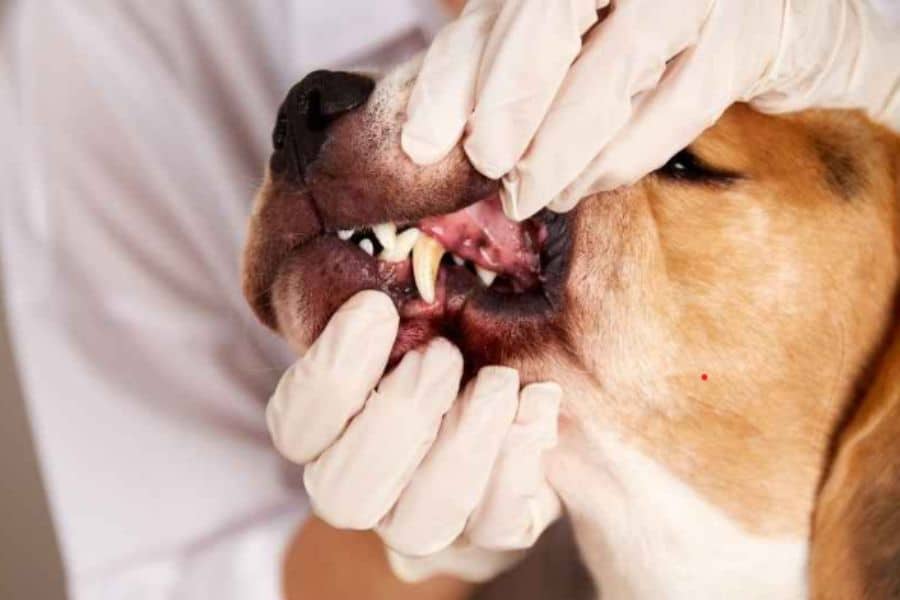
Choose a quiet moment when your pet is relaxed. Lift the lips gently and look at visible teeth and gums. Do not force the mouth.
Ask yourself:
- Are the gums pink and free from unusual swelling?
- Is there a cracked, loose, or discolored tooth?
- Is there bleeding or discharge?
- Does the breath smell unusual?
- Does your pet react when the mouth area is touched?
A “yes” answer does not identify the cause. It means professional advice may be useful.
Your Pet’s Dental Care Guide: What to Watch for and When to Act
A dental problem can cause pain, bleeding, swelling, trouble eating, or a broken tooth. Pets often hide discomfort, so changes in chewing, behavior, breath, or facial appearance can be important clues. This guide covers warning signs, safe steps at home, when professional attention is needed, and ways regular oral care can reduce future problems. Pet owners in Warsaw can use this information to make informed decisions.
Know the Signs Before They Get Worse
Pain While Eating
A pet that drops food, chews on one side, avoids hard treats, or walks away from meals may have oral pain. Pawing at the mouth or resisting face touches can also signal discomfort.
Bleeding or Swollen Gums
Repeated bleeding should not be ignored. Red, swollen, or tender gums can point to inflammation, injury, or infection.
Broken, Loose, or Missing Teeth
A cracked tooth can expose sensitive tissue. A loose tooth can hurt when your pet eats. A missing tooth after injury deserves attention, especially with bleeding, swelling, or pain.
Facial Swelling or Bad Breath
Swelling beneath an eye, along the jaw, or around the mouth can occur with a damaged tooth or infection. Persistent foul breath can reflect ongoing oral disease.
What Should You Do Right Away?
Keep your pet from chewing hard objects. Offer soft food if eating is comfortable. Do not pull a loose tooth, scrape gums, or press on swelling.
Avoid human pain relievers unless a professional specifically instructs you to use one. Common medications can be dangerous for dogs and cats. Do not apply household antiseptics, essential oils, or numbing products inside the mouth.
For active bleeding, use gentle pressure with clean gauze only if your pet allows it safely. Do not force the mouth. Keep your pet quiet and seek advice.
When Is Immediate Care Needed?
Seek prompt help for heavy or persistent bleeding, severe facial swelling, trouble breathing, inability to close the mouth, intense pain, repeated vomiting after an oral injury, or a major jaw injury.
A damaged tooth may not look dramatic outside. A fracture can expose deeper structures and create a pathway for bacteria. Delayed care can worsen pain or infection.
For urgent guidance, explore trusted resources about urgent care for pets and contact an animal care professional.
What Happens During a Dental Visit?
The initial step is a physical examination. The clinician may inspect the teeth, gums, tongue, and surrounding tissues while checking your pet’s overall condition.
A deeper dental assessment can require sedation or anesthesia when dental X-rays are needed. X-rays can reveal problems beneath the gumline that a basic mouth check cannot show.
Treatment depends on the problem. Options may include cleaning, medication, extraction of a severely damaged tooth, treatment of infected tissue, or care for an oral injury. You should receive an explanation of findings, treatment, recovery, and estimated costs.
Preventing Future Dental Problems
Daily tooth brushing supports pet oral health. Use toothpaste made specifically for pets and a comfortable brush. Human toothpaste is unsafe for pets.
Regular mouth checks can reveal changes early. Look for redness, swelling, unusual odor, tartar buildup, damaged teeth, or sensitivity. Dental diets, treats, and chew products may support hygiene but should not replace brushing or professional evaluations.
Schedule routine wellness visits so oral changes can be discussed before they become painful. Ask which dental products suit your pet’s age, size, chewing habits, and health needs.
A Simple Dental Check at Home
Choose a quiet moment when your pet is relaxed. Lift the lips gently and look at visible teeth and gums. Do not force the mouth.
Ask yourself:
- Are the gums pink and free from unusual swelling?
- Is there a cracked, loose, or discolored tooth?
- Is there bleeding or discharge?
- Does the breath smell unusual?
- Does your pet react when the mouth area is touched?
A “yes” answer does not identify the cause. It means professional advice may be useful.
Conclusion
A pet’s dental problem can progress quickly when pain, bleeding, swelling, or infection is involved. Knowing the warning signs helps you respond calmly. Safe first aid, professional guidance, and consistent dental care can protect oral health.
If you’re located in Warsaw, consider reaching out to Warsaw Animal Hospital, where compassionate care and community come together for your pet’s well-being. For urgent dental concerns, call us at 910-293-3348.
Frequently Asked Questions(FAQs):
1. How can I tell if my pet has a dental problem?
A: Watch for trouble eating, dropping food, excessive drooling, pawing at the mouth, bad breath, bleeding gums, facial swelling, or behavior changes. Pets can hide pain, so subtle changes deserve attention.
2. Is a broken tooth painful for dogs and cats?
A: A broken tooth can hurt, especially when the fracture reaches sensitive tissue. Your pet may avoid chewing, prefer soft food, drool, or resist mouth handling. An examination can determine the severity.
3. Can I give my pet human pain medicine?
A: Do not give human pain medicine unless a qualified professional specifically tells you to. Common medications can cause serious toxicity in pets. Ask for a pet-safe pain management option instead.
4. What should I do if my pet’s gums are bleeding?
A: Keep your pet calm and prevent chewing. Gentle pressure with clean gauze may help minor bleeding if your pet tolerates it. Persistent or heavy bleeding needs prompt professional assessment, especially after injury.
5. Should I pull out my pet’s loose tooth?
A: No. Pulling a loose tooth can cause pain, bleeding, tissue damage, or infection. The tooth may have an underlying problem requiring treatment. Let a qualified professional examine it and recommend the safest option.
6. How can I prevent dental problems in my pet?
A: Brush your pet’s teeth with pet-safe toothpaste, provide suitable dental products, and check the mouth routinely. Professional dental assessments can identify hidden problems and s
Categories