910-293-3348
Book Now
Site Logo
  • About
    • Meet Our Doctors
      • Dr. Margie Houston Hunter
      • Dr. Owen Martin
      • Dr. Meredith Davis Holmes
      • Dr. Laura Grady
      • Dr. Laura Panchoo
    • Meet Our Team
    • FAQ’s
    • Reviews
  • Services
    • Preventive Care
    • Wellness Care
    • Puppy & Kitten Care
    • Dental Care
    • Surgical Services
    • Digital Radiography
    • In-House Laboratory
    • Grooming
    • Pet Supplies
  • Urgent Care
  • Resources
    • Veterinary Topics
  • Contact
  • Pet Lodge
910-293-3348
Request Appointment

April is National Heartworm Awareness Month

Book Online
Call: 910-293-3348
Back
Image
Created in Newsletter Library, Seasonal Topics

Is Your Pet Protected from Heartworm Disease?

Heartworm, a life-threatening parasitic infection, sickens dogs, cats, and ferrets in all 50 states. Like many diseases, heartworm is much easier to prevent than treat. National Heartworm Awareness Month, held every April, offers a timely reminder of the devastating health effects of heartworm disease.

How Do Pets Get the Disease?

Heartworm disease is transmitted when a mosquito bites an infected animal and then bites your pet. Heartworm larvae are circulated through your pet’s body via the bloodstream and eventually become immature or mature worms.

After traveling through your dog’s body for months, the larvae begin to grow into long, white worms that look like cooked spaghetti. Those that reach the blood vessels of the heart and lungs cause the most damage.

Male heartworms measure 4 to 6 inches in length, while females may be as long as 10 to 12 inches, according to the U.S. Food & Drug Administration (FDA). The FDA notes that dogs can be infected with one to 250 worms. Each worm can live 5 to 7 years.

Cats are more likely to be infected with immature worms, although some cats do have a few mature worms. Even immature worms can affect your cat’s health, causing serious breathing difficulties.

In ferrets, one or two heartworms settle in the pulmonary artery in the heart. As the worms grow, the heart becomes dangerously enlarged.

What Are the Symptoms of Heartworm Disease?

Symptoms don’t usually occur during the early stages of infection. As the worms grow, your dog may start to cough, seem abnormally tired after mild to moderate exercise, eat less, lose weight and have trouble breathing. Eventually, the infection can cause a swollen abdomen, abnormal lung sounds, collapse or death.

Cats infected with heartworms may develop heartworm associated respiratory disease (HARD). When immature worms reach the small arteries in the lungs, an inflammatory response occurs that damages the air sacs, arteries, and small airways, according to the Cornell University of Veterinary Medicine.

An infected cat may have difficulty breathing or breathe rapidly. Other signs and symptoms include a disinterest in food, weight loss, vomiting, diarrhea, coughing, gagging, collapse or death.

Symptoms in ferrets also include loss of appetite and weight loss, in addition to coughing, shortness of breath, vomiting, swelling in the abdomen or chest, heart murmur and fatigue. If heart damage is severe, ferrets may suddenly collapse and die.

How Is Heartworm Disease Treated?

Treatment varies depending on the animal. Dogs receive medications that kill mature and immature heartworms and reduce inflammation. The treatment can take a toll on your pet’s body, particularly if your dog’s health is already fragile due to the infection. In some cases, surgery may be needed to remove the worms. Even if heartworm surgery is successful, the damage to your dog’s heart, lungs, and organs will be permanent.

Medications that kill heartworms aren’t safe for use in cats. Instead, your pet may receive drugs that will reduce inflammation, antibiotics, cardiovascular medication or oxygen therapy if breathing becomes difficult. In severe cases, surgery may also be recommended to remove the worms.

Many of the medications and treatment strategies used to treat heartworm infections in cats can also be used for ferrets. Unfortunately, medications that kill heartworms will also kill your ferret.

How Can Heartworm Disease Be Prevented?

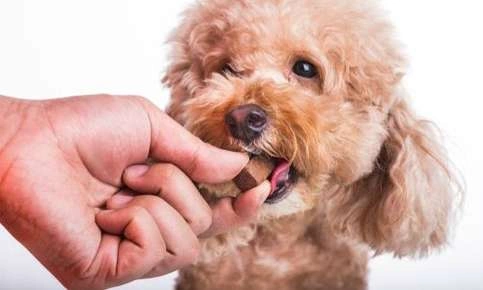
Oral, topical, and injectable heartworm medications reduce your pet’s heartworm risk. Your veterinarian can help you decide which type of medication is best for your pet. Oral and topical medications must be given or applied every month, while injectable medication protects your pet for six months.

It’s best to give your pet heartworm medication year-round, even if you live in a cold climate, as mosquito season may not always follow the same pattern every year. Providing constant protection ensures that your furry friend will never have to face this debilitating disease.

Does your pet need a prescription for heartworm medication? Contact our office to schedule a convenient appointment.

Sources:

U.S. Food & Drug Administration: Keep the Worms Out of Your Pet’s Heart! The Facts About Heartworm Disease

American Veterinary Medical Association: Heartworm Disease

American Heartworm Society: Heartworms in Dogs

Cornell University College of Veterinary Medicine: Heartworm in Cats

PetMD: Heartworm in Ferrets

Categories

Choosing Your Pet
  • Cats
  • Dogs
  • Exotics
  • Finding Your Pet
  • Livestock
  • Small Mammals
Client Survey
Living With Your Pet
  • Bringing Your Pet Home
  • Children and Pets
  • Providing Care
  • Saying Goodbye
  • Travel
Newsletter Library
  • Behavior & Training
  • Cats
  • Fleas & Parasites
  • Keeping Pets Healthy
  • Newsletter Archive
  • Nutrition & Food
  • Pet Dangers
  • Recognizing Illness
  • Seasonal Topics
  • Tips for Pet Owners
  • Visiting the Vet
Pet Health
  • Chronic Conditions
  • Digestive and Oral Health
  • Diseases and Viruses
  • Orthopedics
  • Pests and Parasites
Pets4Kids
Today's Veterinarian
Video Newsroom
  • Health Topics
  • Other Interests
  • Technology and Science
Cta Image

Where Every Pet Is Welcomed and Cared for Like Family

Request Appointment
910-293-3348
Tree

Stories from Happy Pet People

Quote Icon
If I could give more than 5 stars I would. This vet helped me find out that my beautiful girl Nabi had cancer and they did everything they could to help me and my family. Ultimately her cancer came back and we had to make the decision to put my girl down. It was the hardest thing I have ever done but, the fact there were familiar people there I have spoken to and the fact they were so empathetic helped so much. I was able to let my grief out with no judgment. They even provided me keepsakes which have helped me so much. Coping is hard. It was traumatic, messy and, heartbreaking but, the staff helped me with everything. I could not recommend a better vet.

Hannah P.

Quote Icon
Yes yes and Yes!!! I will NEVER take my dog anywhere else. Im so glad I listened to the Facebook reviews we drove 45 miles to get here because the care my boy received in Wilmington was just not up to par. From the front counter back to the doctor everyone was absolutely amazing 👏 👏Dr Laura Grady is a God send and Blu was perfectly comfortable with her by the time we left! I knew that when I seen they had a Bible verse printed on my bill I made the right decision💙. Thank you all so much from the bottom of our hearts.

Sun & Sand

Quote Icon
I went yesterday 12/3 to have our beloved 16 year old pitbull put to rest and I cannot sing adequate praises for the staff! They were so kind and accommodating to me during such a difficult time. The doctor talked me through every step and they provided the best care out there. After he had crossed the rainbow bridge, they gifted us two pawprint keepsakes and two locks of hair as keepsakes. They even provided my old man Hershey's kisses and called them "goodbye kisses" because dogs don't usually get to have chocolate, as well as a ton of treats. If I ever find myself in that position again I wouldn't rather be under the care of anyone else other than Warsaw Animal Hospital❤️

Kenzie H.

Quote Icon
Definitely will never carry my animals anywhere else after finding Warsaw Animal Hospital!! The Vets and all the other personnel very professional. but yet still down to earth people! They really care about the animals they treat and are very reasonably priced. The entire staff makes me and my pets feel like that are really glad to see both me and my pets. The Vets do not act like they are better than you unlike some vets I have been to. All the personnel always have a smile for me, talk openly with me and make me and my pets feel welcome and really appreciated for choosing and trusting Warsaw Animal Hospital to take great care of my pets!!

Michael S.

Quote Icon
This is one of the best places to take your animal. I was so surprised how they handle things. My cat fell and couldn't walk and i was so sure they would have to put her down. instead these people went above and beyond to get my sweetheart back home with me healthy as she was before hand. then when she was diagnosed with diabetes they have been there every step of the way to make her illness not as cripling as it could be. I moved to jacksonville and still drove over a hour to keep going back here until it became too much on my fur baby but they are so worth it. If you are in the area of this place look no where else they are the best at what they do.

Danyale H

Arrow Icon
Arrow Icon
READ MORE REVIEWS
Image

We’re Here When You Need Our Care

1472 Hwy 24 & 50  Warsaw, NC 28398

910-293-3348

Monday: 7:45 am-6:00 pm
Tuesday: 7:45 am-6:00 pm
Wednesday: 7:45 am-12:00 pm
Thursday: 7:45 am-6:00 pm
Friday: 7:45 am-6:00 pm
Saturday & Sunday: Closed

Request Appointment
Footer Image
© 2026 Warsaw Animal Hospital. All Rights Reserved. | Privacy Policy | Terms of Use | Accessibility | Sitemap
Image
  • About
    • ← Back
    • Meet Our Doctors
      • ← Back
      • Dr. Margie Houston Hunter
      • Dr. Owen Martin
      • Dr. Meredith Davis Holmes
      • Dr. Laura Grady
      • Dr. Laura Panchoo
    • Meet Our Team
    • FAQ’s
    • Reviews
  • Services
    • ← Back
    • Preventive Care
    • Wellness Care
    • Puppy & Kitten Care
    • Dental Care
    • Surgical Services
    • Digital Radiography
    • In-House Laboratory
    • Grooming
    • Pet Supplies
  • Urgent Care
  • Resources
    • ← Back
    • Veterinary Topics
  • Contact
  • Pet Lodge

910-293-3348

1472 Hwy 24 & 50  Warsaw, NC 28398

Request Appointment