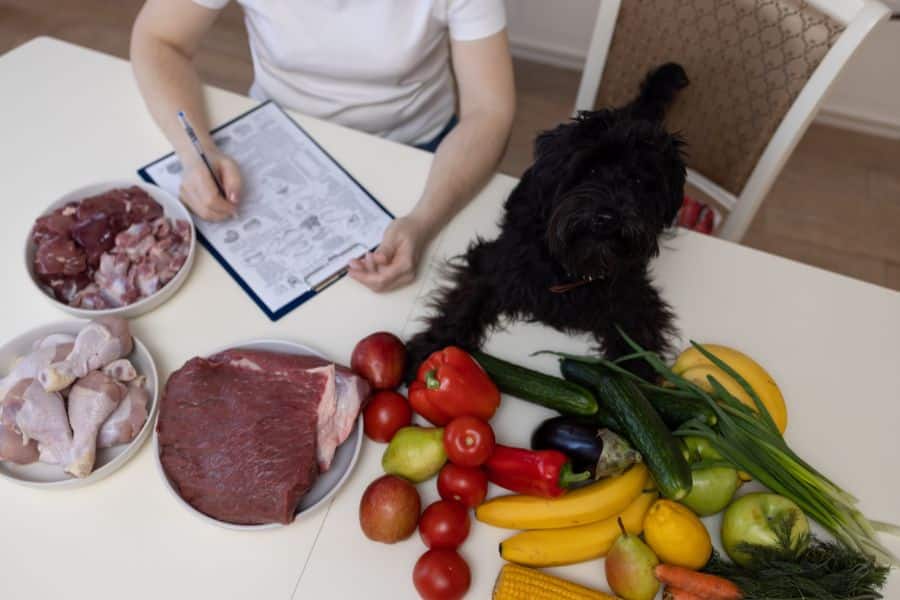
Changing your pet’s food can improve nutrition, support a new life stage, or meet a health goal. A rushed switch can cause loose stool, gas, vomiting, or reduced appetite. A gradual transition, measured portions, familiar mealtimes, and observation can reduce digestive upset. This guide covers switching, portions, food selection, stomach symptoms, and warning signs.
Why a Gradual Food Change Matters
Your pet’s digestive system becomes accustomed to a recipe, ingredient mix, fat level, fiber content, and feeding routine. Replacing the food suddenly changes that routine. Some pets handle it easily; others develop diarrhea, gas, vomiting, or temporary appetite changes.
A gradual transition allows adjustment and makes it easier to identify whether the new food is responsible for symptoms. Pets with food sensitivities, digestive conditions, allergies, or repeated stomach upset may need a personalized plan.
How to Switch Pet Food Safely
Follow a 7-Day Schedule
A seven-day transition works for many pets:
- Days 1–2: 75% old food and 25% new food.
- Days 3–4: 50% old food and 50% new food.
- Days 5–6: 25% old food and 75% new food.
- Day 7: 100% new food.
Some pets need 10–14 days or longer. If diarrhea, vomiting, or significant appetite loss appears, stop increasing the new food and seek advice if symptoms continue.
Measure Portions Carefully
A new recipe may contain more or fewer calories per cup than the previous food. Follow its feeding directions and consider your pet’s age, size, activity, body condition, and health needs.
Use a measuring cup for consistency. A kitchen scale provides accuracy for small pets or calorie-controlled diets.
Keep Mealtimes Predictable
Keep the usual feeding schedule during the transition. Avoid introducing new treats, chews, table scraps, supplements, or toppers at the same time. A simple routine makes digestive changes easier to identify.
Keep fresh water available. Do not restrict water unless a qualified professional specifically tells you to do so.
Choosing a New Food
A food change should have a clear reason. Reasons include moving from puppy or kitten food to adult food, changing activity levels, switching brands, or following a professional recommendation.
Look beyond terms such as “natural,” “premium,” or “holistic.” Check whether the food suits your pet’s species and life stage and whether its calorie content matches their needs. Pets with diagnosed conditions may require a therapeutic diet.
If you need help comparing formulas, portions, or dietary needs, pet nutrition guidance can make the decision practical.
What If Your Pet Gets an Upset Stomach?
Mild soft stool or extra gas can occur during a food transition. Stop increasing the new food and monitor your pet. A slower transition may be appropriate once normal digestion returns.
Repeated vomiting, persistent diarrhea, blood in stool or vomit, severe weakness, refusal to drink, abdominal swelling, collapse, or obvious pain needs prompt professional attention. Puppies, kittens, senior pets, and animals with ongoing health conditions deserve extra caution.
Do not give human anti-diarrheal medicines or stomach remedies unless a veterinarian specifically recommends them. Some products can be unsafe for pets or mask symptoms that need evaluation.
Special Considerations for Puppies and Kittens
Young pets have different nutritional needs because they are growing rapidly. Their diet must support development, and abrupt food changes may be harder to tolerate.
Use a gradual schedule and monitor stool, appetite, energy, and growth. A switch from a growth formula to adult food should consider age, expected adult size, and individual needs. Nutrition discussions during routine young-pet visits can reduce guesswork.
Common Food-Change Mistakes
Switching Too Quickly
Replacing the entire meal with new food overnight can trigger digestive upset. A slower schedule allows adaptation.
Changing Several Things Together
A new food, treats, and supplement introduced together make it difficult to identify what caused diarrhea or vomiting. Change one major dietary factor at a time.
Overfeeding
Pets may enjoy a new recipe and receive larger portions than intended. Extra calories can contribute to stomach discomfort and weight gain. Measure meals rather than feeding according to appetite alone.
Ignoring Ongoing Symptoms
A food transition should not explain every digestive problem. Persistent symptoms can have other causes, including parasites, infections, stress, medication effects, or underlying illness.
Conclusion
A successful food transition is gradual and measured. Choose a suitable diet, introduce it over a week or longer when needed, control portions, and watch for symptoms. Mild stool changes can happen, but persistent or severe signs should not be ignored. If your pet is struggling with a food change, book an appointment for professional assessment and feeding guidance.
Frequently Asked Questions(FAQs):
1. How long does it take for a pet to adjust to new food?
A: Many pets adjust within about seven days when food is introduced gradually. Sensitive pets may need 10–14 days or longer. Digestive symptoms that persist or worsen deserve professional advice.
2. What is the best way to switch dog food?
A: Mix the new food with the old food over several days, increasing the new portion gradually. Keep meals measured and avoid unfamiliar treats or table scraps during the transition period.
3. Can changing cat food cause diarrhea?
A: Yes. A sudden change in ingredients, fat, fiber, or portion size can contribute to loose stool. Slow the transition and monitor appetite, hydration, behavior, and stool. Persistent diarrhea warrants professional evaluation.
4. What should I do if my pet vomits after changing food?
A: Pause the increase in new food and contact a veterinarian for guidance, especially if vomiting repeats. Do not give human medications. Vomiting with weakness, pain, dehydration, blood, or swelling needs prompt attention.
5. Should I mix old and new pet food?
A: Yes. Mixing foods is a way to make a gradual transition. Start with a small amount of new food and increase it over several days while keeping total portions appropriate.
6. When should I call a veterinarian about stomach upset?
A: Call when diarrhea or vomiting persists, appetite drops significantly, or your pet becomes weak, painful, dehydrated, or unusually quiet. Seek prompt care for blood, repeated vomiting, collapse, breathing difficulty, or abdominal swelling.
Related Articles