
When a pet returns home after urgent care surgery, the recovery environment becomes just as important as the procedure itself. A calm, organized, and safe space supports healing, reduces stress, and helps prevent complications. From creating a quiet resting area to managing medications, meals, activity levels, and follow-up care, every small detail contributes to a smoother recovery.
Understanding what to expect also helps pet owners respond confidently during the healing process. Planning before your companion arrives home makes daily care more manageable for both you and your pet. If you are looking for guidance on recovery after urgent care surgery in Warsaw, preparing your home before discharge is one of the best ways to support your pet’s comfort.
Why Home Preparation Matters After Urgent Care Surgery
The first few days after surgery often determine how smoothly recovery progresses. Pets may feel tired, sore, or slightly confused after receiving anesthesia and treatment. A familiar environment with minimal stress allows the body to focus on healing.
Preparing your home before your pet returns prevents unnecessary movement, reduces anxiety, and lowers the chance of accidental injuries. A well-planned recovery area also makes it easier to monitor changes in your pet’s condition.
Create a Comfortable Recovery Space
1. Choose a Quiet Location
Select a room away from household noise, active children, and other pets. Rest is essential during the healing process.
The recovery space should include:
- A soft, supportive bed
- Fresh water within easy reach
- Comfortable room temperature
- Dim the lighting if your pet appears sensitive
- Limited foot traffic
Avoid placing your pet near stairs, slippery floors, or busy hallways.
2. Keep Movement Limited
Many procedures require activity restrictions for several days or weeks. Running, jumping, and climbing furniture may interfere with healing.
Use baby gates or closed doors when needed. Small pets may recover better inside a spacious crate or exercise pen if recommended by your care team.
Remove Household Hazards
A recovering pet may have slower reflexes and reduced balance.
Before bringing your pet home:
- Remove loose rugs that could slide
- Secure electrical cords
- Store cleaning products safely
- Pick up toys that encourage active play
- Block access to the stairs if advised
- Keep trash bins covered
These simple adjustments reduce avoidable risks during recovery.
Prepare Food and Water
Some pets regain their appetite quickly, while others eat less during the first day.
Follow feeding instructions carefully.
Offer:
- Fresh water at all times
- Small meals if recommended
- Easily digestible food when instructed
- Separate feeding areas from other pets
Avoid introducing treats or new foods unless approved by your care provider.
Organize Medications Before Arrival
Many pets require pain relief, antibiotics, or other medications after urgent care surgery.
Create a medication schedule before your pet arrives home.
Keep:
- Medication labels visible
- Measuring syringes together
- Pill organizers, if appropriate
- A written dosing checklist
- Contact information for your clinic
Missing doses or giving incorrect amounts may delay recovery.
Watch the Surgical Site
Checking the incision every day helps identify concerns early.
Look for:
- Mild swelling during the first days
- Small amounts of bruising
- Clean, dry skin around the incision
Contact your care provider if you notice:
- Increasing redness
- Unpleasant odor
- Thick discharge
- Excessive swelling
- Open stitches
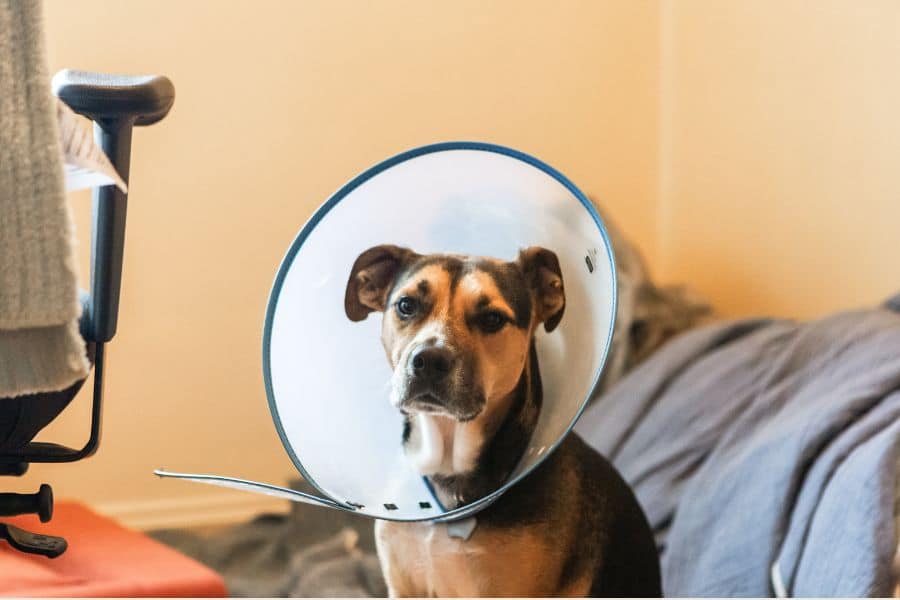
Avoid allowing your pet to lick or chew the incision. Protective collars or recovery suits help prevent irritation.
Help Your Pet Stay Calm
Healing requires patience. Excitement may increase movement and place stress on the surgical area.
Simple ways to encourage calm behavior include:
- Gentle affection
- Quiet music
- Soft bedding
- Short supervised bathroom breaks
- Puzzle-free rest periods
Keep interactions relaxed until normal activity is approved.
Maintain a Daily Recovery Routine
Pets often feel more secure with predictable routines.
Track daily observations, including:
- Appetite
- Water intake
- Bathroom habits
- Energy level
- Medication times
- Incision appearance
A recovery journal helps identify gradual improvements and provides useful information during follow-up visits.
Know When to Seek Immediate Medical Attention
Some changes require prompt medical evaluation after surgery.
Watch for:
- Difficulty breathing
- Continuous vomiting
- Severe weakness
- Heavy bleeding
- Collapse
- Refusal to drink water for an extended period
- Persistent crying that does not improve
Quick action supports better outcomes if complications develop.
If your pet requires urgent care for pets after returning home, contact your animal hospital without delay for guidance.
Prepare Other Family Members
Everyone in the household should understand your pet’s recovery needs.
Explain:
- Activity restrictions
- Medication schedules
- Quiet time requirements
- Safe handling techniques
- Feeding instructions
Consistency from every family member helps prevent setbacks.
Attend Every Follow-Up Appointment
Recovery continues long after returning home.
Scheduled rechecks allow your care team to:
- Evaluate healing
- Remove stitches if necessary
- Adjust medications
- Recommend gradual activity increases
- Answer questions about recovery
Never skip follow-up appointments, even if your pet appears to be recovering well.
Need prompt care for your recovering pet? Call us at (574) 267-7387 to discuss your pet’s condition and receive timely assistance.
Conclusion
Preparing your home before your pet returns after urgent care surgery creates a safer, calmer environment that supports healing every day. Comfortable resting areas, careful medication management, proper nutrition, restricted activity, and close observation all contribute to a smoother recovery experience.
Small preparations made in advance often prevent unnecessary stress and help your pet regain comfort with confidence. If you’re located in Warsaw, Warsaw Animal Hospital is here to support your pet’s recovery with compassionate care rooted in the local community, helping your companion receive the attention they deserve throughout the healing journey.
Frequently Asked Questions(FAQs):
1. How long should my pet rest after urgent care surgery?
A: Recovery times vary depending on the procedure, age, and overall health. Many pets require restricted activity for several days or weeks. Always follow the discharge instructions provided for your pet’s specific condition.
2. What should I do if my pet refuses to eat after surgery?
A: A temporary decrease in appetite may occur after surgery. Offer small meals and fresh water. Contact your care provider if your pet continues refusing food or water beyond the recommended timeframe.
3. How often should I check my pet’s incision?
A: Inspect the surgical site at least once daily under good lighting. Look for redness, swelling, discharge, or opening of the incision. Report any concerning changes promptly for further evaluation.
4. Can my pet climb stairs during recovery?
A: Many pets should avoid stairs until healing progresses. Restrict access when advised and assist if movement cannot be avoided. Limiting physical strain helps protect the surgical site.
5. Is it normal for my pet to sleep more after surgery?
A: Yes. Extra rest is common during the first few days after surgery because the body is healing and recovering from anesthesia. Gradual improvement in alertness usually follows proper home care.
6. When can my pet return to normal activities?
A: Normal activity should resume only after approval during a follow-up visit. Recovery speed depends on the type of surgery and your pet’s healing progress. Returning to exercise too early may delay recovery.
Related Articles