
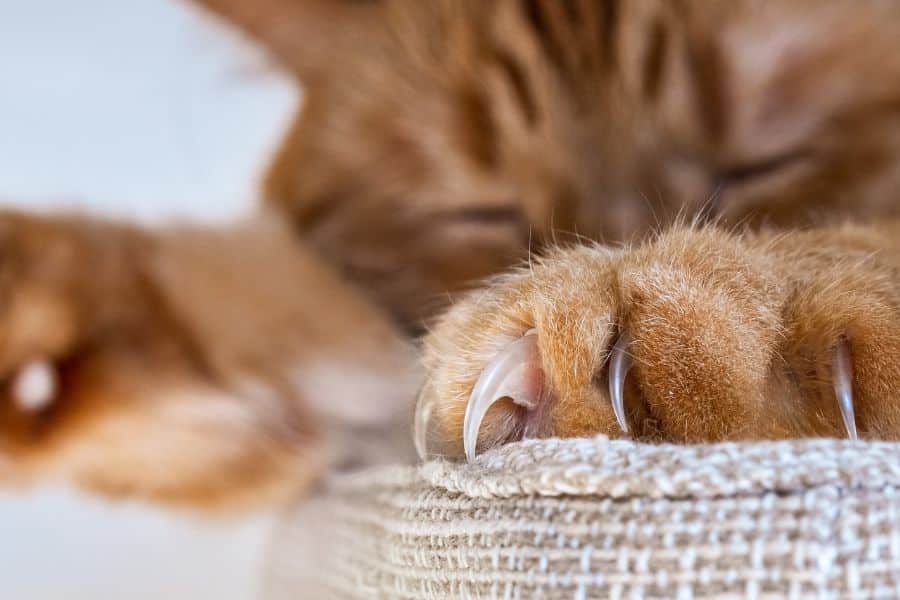
Cat claws are remarkable tools that support climbing, hunting, balance, stretching, and self-defense. Understanding cat claw anatomy helps pet owners provide better daily care and recognize signs of trouble before they become painful.
This guide explains how cat claws are structured, why routine claw maintenance matters, how to trim them safely, and which common claw problems require professional attention. You will also learn how scratching benefits cats, and what causes claw injuries.
Understanding Cat Claw Anatomy
A cat’s claw is much more than a sharp nail. Each claw is attached directly to the last bone of the toe. This connection allows cats to control claw movement with precision.
Unlike dogs, cats have retractable claws. Special tendons and ligaments keep the claws tucked away when not in use. During climbing, hunting, or scratching, the claws extend outward to provide grip and traction.
The visible claw consists of several layers of keratin. As new layers grow, older outer layers shed naturally. This process explains why you may find hollow claw sheaths near scratching posts or favorite resting spots.
Most cats have five claws on each front paw and four claws on each rear paw. Some cats are born with extra toes, a condition called polydactylism, which can create additional claws requiring regular monitoring.
Why Cat Claws Matter
Healthy cat claws serve several important purposes:
1. Mobility and Balance
Claws help cats maintain stability while jumping, climbing, and landing. They improve grip on different surfaces and support coordinated movement.
2. Stretching and Exercise
Scratching allows cats to stretch muscles throughout the shoulders, back, and legs. This activity contributes to overall physical health.
3. Communication
Cats use scratching to leave visual marks and scent signals. Glands located in the paws release scents that help establish territory.
4. Protection
Claws provide a natural defense mechanism when a cat feels threatened or frightened.
The Importance of Routine Cat Claw Care
Regular cat claw care prevents discomfort and reduces the risk of injury. Neglected claws can become excessively long, making movement difficult and increasing the chance of painful complications.
Indoor cats often need more frequent claw maintenance because their claws may not wear down naturally. Senior cats also require closer attention since reduced activity can lead to overgrown nails.
Routine claw care includes:
- Monitoring claw length
- Providing scratching surfaces
- Checking for injuries
- Trimming claws when needed
- Watching for changes in appearance
Consistent care helps identify problems early and supports long-term paw health.
How to Trim Cat Claws Safely
Many pet owners feel nervous about trimming cat claws. The process becomes easier with patience and proper technique.
1. Gather the Right Tools
Use a quality cat nail trimmer designed specifically for feline claws. Human nail clippers can create uneven cuts.
2. Identify the Quick
The quick contains blood vessels and nerves. It appears as a pink area inside light-colored claws. Avoid cutting into this sensitive region.
3. Trim Small Amounts
Remove only the sharp tip of each claw. Small trims reduce the risk of injury and help maintain comfort.
4. Create Positive Experiences
Offer treats, praise, and gentle handling during each session. Short, calm trimming sessions are often more successful than lengthy attempts.
Cats that resist trimming may benefit from professional grooming or assistance from a trained animal care team.
Common Cat Claw Problems
Several claw conditions affect cats throughout their lives.
1. Overgrown Claws
Overgrown claws are among the most common issues. Long claws may curl and grow into the paw pad, causing pain and infection.
Signs include:
- Difficulty walking
- Limping
- Visible curling
- Reluctance to jump
2. Broken or Torn Claws
Cats can catch a claw on carpet, furniture, or other objects. Torn claws often cause bleeding and discomfort.
Symptoms may include:
- Sudden limping
- Excessive licking
- Swelling
- Visible damage
3. Ingrown Claws
Ingrown claws develop when nails grow into surrounding tissue. Older cats are especially vulnerable.
Prompt treatment helps prevent infection and long-term discomfort.
4. Nail Bed Infections
Bacterial or fungal infections can affect the tissues surrounding the claw.
Warning signs include:
- Redness
- Swelling
- Discharge
- Foul odor
- Persistent licking
5. Claw Tumors
Although less common, growths involving the nail bed or toe can occur. Any unusual swelling, discoloration, or persistent nail abnormality should be evaluated promptly.
The Role of Scratching Posts in Claw Health
Scratching is a normal feline behavior. Preventing scratching entirely can create frustration and behavioral concerns.
Provide multiple scratching surfaces throughout your home. Many cats enjoy vertical scratching posts, while others prefer horizontal scratchers.
Effective scratching surfaces help:
- Remove old claw sheaths
- Maintain claw condition
- Encourage exercise
- Reduce furniture damage
Placement matters. Position scratching posts near sleeping areas and frequently used spaces.
When Professional Treatment Is Needed
Some claw conditions require medical evaluation. Severe infections, deep injuries, persistent bleeding, and abnormal growths should never be ignored.
Treatment recommendations vary depending on the underlying problem. Some cases respond to medication and wound management. Others may require advanced procedures or specialized care.
Seeking help early often improves outcomes and minimizes discomfort for your cat.
Helping Your Cat Maintain Healthy Claws
Healthy claws begin with preventive care. Schedule regular wellness exams, provide appropriate scratching outlets, and inspect your cat’s paws routinely.
Look for:
- Changes in claw shape
- Cracking or splitting
- Swelling
- Redness
- Signs of pain
Early detection allows problems to be addressed before they become more serious.
Give Your Cat the Care They Deserve
Healthy claws contribute to your cat’s comfort, mobility, and quality of life. Regular inspections and proper maintenance can prevent many common problems before they develop into serious concerns. If you live in Warsaw and have questions about your cat’s claws, paw health, or nail injuries, now is the perfect time to book an appointment with our experienced team. We are here to help your feline companion stay active, comfortable, and healthy every day.
Frequently Asked Questions(FAQs):
1. How often should I trim my cat’s claws?
A: Most cats benefit from nail trimming every two to four weeks. Growth rates vary based on age, activity level, and lifestyle. Regular inspections help determine the ideal schedule for your individual cat.
2. Why does my cat shed claw layers?
A: Cats naturally shed outer claw sheaths as new keratin layers grow underneath. Finding hollow claw coverings near scratching areas is usually a normal part of healthy claw maintenance.
3. Are scratching posts necessary for indoor cats?
A: Yes. Scratching posts support claw health, muscle stretching, exercise, and natural behavior. They also help reduce unwanted scratching on household furniture and other surfaces.
4. What should I do if my cat breaks a claw?
A: Examine the area carefully and monitor for bleeding, swelling, or pain. Professional evaluation is recommended if the injury appears severe or your cat remains uncomfortable.
5. Can overgrown claws hurt my cat?
A: Yes. Overgrown claws can interfere with walking, catch on objects, and grow into the paw pad. Routine trimming helps prevent painful complications and mobility issues.
6. When should a claw problem be considered an emergency?
A: Seek prompt care if you notice severe bleeding, significant swelling, persistent limping, deep claw injuries, or signs of infection that worsen despite basic home monitoring.
Related Articles