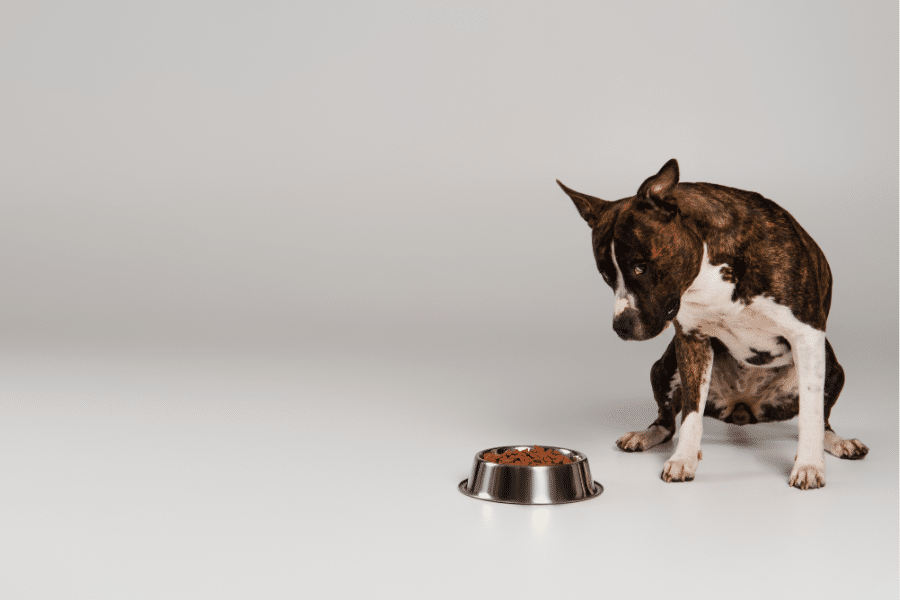
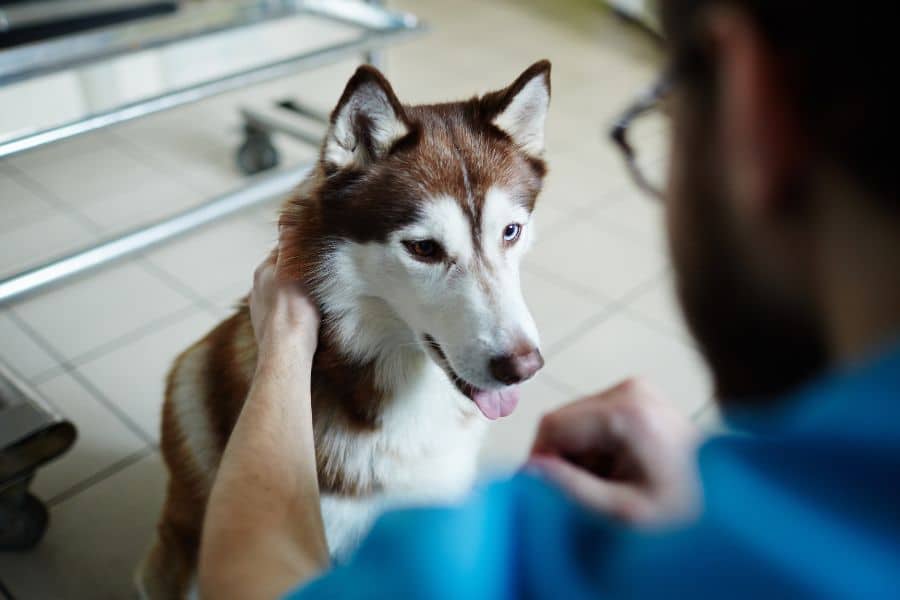
Thunderstorms can turn a relaxed dog into a completely different pet. One minute, your dog may be sleeping on the couch. The next, thunder cracks outside, and they are pacing, panting, trembling, hiding, barking, or trying to escape.
If you have watched your dog struggle during a storm, you may have wondered, “Can I give my dog Benadryl to help calm them down?”
Benadryl is a common household medication, and its active ingredient, diphenhydramine, can make some dogs sleepy. But sleepiness is not the same thing as treating fear or anxiety. Benadryl is mainly an antihistamine, not an anxiety medication. It may not provide the calming effect a frightened dog needs during a severe thunderstorm.
Understanding how Benadryl works, when it may be appropriate, and what other options exist can help you make a safer decision before the next storm arrives.
Can Benadryl Calm a Dog During a Thunderstorm?
Benadryl can cause drowsiness in dogs, which is why some pet owners consider using it during stressful situations. The medication blocks histamine, a chemical involved in allergic reactions. Its sedating effect is a side effect rather than its primary purpose.
This distinction matters.
A dog that is afraid of thunder may remain anxious even if the medication makes them sleepy. Your dog could still hear the thunder, feel the changes in air pressure, react to flashes of lightning, or experience the same fear response.
Some dogs may become calmer after taking diphenhydramine because they become drowsy. Others may show little change in their behavior. A small number of dogs can have the opposite reaction and become restless or more excitable.
For that reason, Benadryl should not be treated as a reliable solution for thunderstorm anxiety.
Why Are Dogs Afraid of Thunderstorms?
Thunderstorm fear is more than simply being startled by a loud noise.
A storm can expose your dog to several triggers at once:
- Loud thunder
- Lightning flashes
- Heavy rain
- Strong wind
- Changes in air pressure
- Static electricity
- Vibrations and unusual sounds
- Changes in your own behavior during a storm
Some dogs respond to one particular sound, while others become distressed as soon as they sense that a storm is approaching.
Common Signs of Thunderstorm Anxiety
A frightened dog may show obvious signs of stress, including:
- Panting when they are not hot
- Trembling or shaking
- Pacing
- Whining or barking
- Hiding behind furniture
- Clinging to family members
- Drooling
- Restlessness
- Scratching at doors
- Trying to escape
- Urinating indoors
- Refusing treats or food
- Rapid breathing
- Destructive behavior
Some dogs become so frightened that they attempt to push through windows, doors, fences, or other barriers.
That creates a safety concern that goes beyond ordinary nervousness.
Why Benadryl May Not Be the Right Choice for Thunderstorm Fear
The biggest issue is that Benadryl does not directly treat the fear response associated with thunderstorms.
Imagine being extremely nervous about flying and taking a medication that makes you sleepy. You may feel tired, but the underlying fear has not necessarily disappeared. A similar situation can happen with dogs.
Benadryl may reduce alertness in some dogs, but it does not reliably remove the emotional response to thunder.
Drowsiness Is Not the Same as Anxiety Relief
A sleepy dog may appear quieter without actually feeling comfortable.
This is important when evaluating whether a medication is working. If your dog stops pacing but remains tense, frightened, or highly reactive to every sound, the underlying anxiety may still be present.
For moderate or severe thunderstorm phobia, a better approach focuses on reducing fear rather than simply causing sedation.
Is Benadryl Safe for Dogs?
Diphenhydramine is used in dogs for certain situations, including some allergic reactions and other conditions when recommended by a pet care professional.
However, safe use depends on the individual dog and the product being given.
A dog’s age, weight, health history, medications, and medical conditions can all affect whether diphenhydramine is appropriate.
Some dogs should not receive certain antihistamines without professional guidance. Dogs with conditions involving the eyes, heart, blood pressure, urinary system, or other body systems may require special consideration.
Avoid Combination Products
One of the biggest concerns with human medications is choosing the wrong product.
Some Benadryl or other cold and allergy products contain additional active ingredients. Decongestants and other ingredients can be dangerous for dogs.
Do not assume that every product labeled Benadryl is appropriate for your dog.
Read the active ingredients carefully and ask your pet’s care team before giving a human medication.
Can Benadryl Make Dogs More Excited?
Yes. Although drowsiness is a common effect of diphenhydramine, some dogs can experience an opposite reaction.
Instead of becoming sleepy, a dog may become:
- Restless
- Excited
- Agitated
- More active
- Unable to settle
This reaction can be especially frustrating during a thunderstorm because the dog is already experiencing fear.
If your dog has never taken diphenhydramine before, using it for the first time when a major storm is already underway is not a good way to determine how your dog responds.
What About the Benadryl Dose for Dogs?
Pet owners often search for a specific Benadryl dose based only on their dog’s weight. That approach can be unsafe because the correct decision involves more than weight alone.
The concentration of the product, active ingredients, the dog’s health, and other medications all matter.
Instead of relying on an internet dosing chart, ask your pet’s care professional whether diphenhydramine is appropriate for your dog and which product should be used.
This is especially important if your dog takes other medications or has an ongoing health condition.
If your dog accidentally consumes too much Benadryl or a product containing other active ingredients, contact an animal poison service or your local animal hospital promptly for guidance.
Better Ways to Help a Dog During a Thunderstorm
Medication is only one part of managing storm fear. In many cases, environmental changes and behavior strategies can make a major difference.
Create a Safe Space
Give your dog a quiet place where they can retreat before the storm becomes intense.
A safe space could be:
- An interior room
- A crate if your dog already enjoys using one
- A closet-sized area with good airflow
- A comfortable area away from windows
- A familiar bed surrounded by blankets
Do not force a frightened dog into a crate or hiding area if they do not normally feel safe there.
The goal is to create a place your dog voluntarily associates with comfort.
Reduce Outside Noise
Close windows and curtains to reduce the sights and sounds of the storm.
A fan, television, white noise machine, or calm background audio can also help cover some of the thunder.
Keep the volume at a comfortable level. The goal is to mask sudden sounds, not create another source of stress.
Stay Calm
Dogs often notice changes in human behavior.
You do not need to ignore your dog, but you also do not need to react dramatically every time thunder sounds.
Use a calm voice. Keep your normal routine when possible. If your dog seeks comfort, gentle interaction can help.
Use Positive Reinforcement
If your dog is still willing to eat during a storm, offer a favorite treat when they remain relaxed.
Puzzle toys, food-stuffed toys, or other safe enrichment can give your dog something positive to focus on.
Do not force food on a dog that is too frightened to eat.
Can Thunderstorm Anxiety Be Treated Before the Storm?
Yes. In fact, preparation is one of the most useful parts of managing storm fear.
If storms regularly cause severe anxiety, talk with your dog’s care team before the next major weather event. They can review your dog’s behavior and health history and determine whether a medication designed specifically for anxiety may be appropriate.
Some prescription medications are used for situational anxiety and are intended to reduce fear rather than simply make a dog sleepy.
The timing of these medications matters. A medication that works best when given before anxiety becomes intense may not be as useful once a dog is already panicking.
Never give your dog another pet’s medication or use a prescription intended for a person.
What Role Does a Pet Wellness Exam Play?
A pet wellness exam can help identify health issues that may affect your dog’s behavior or medication choices.
During an exam, your dog’s overall health, current medications, age, and medical history can be reviewed. This information helps determine whether a medication such as diphenhydramine is appropriate.
It also allows you to discuss recurring behaviors such as storm phobia, separation anxiety, destructive behavior, or unusual reactions to noise.
A wellness visit is not only about vaccinations or physical problems. Behavioral changes are also worth discussing.
What If Allergies Are Making My Dog Uncomfortable?
Allergies and storm anxiety are separate issues, but they can overlap in daily life.
A dog dealing with itchy skin may already be uncomfortable, restless, or have trouble sleeping. If you are researching a diet for allergy concerns, discuss the reason for the diet and your dog’s symptoms with a qualified pet care professional rather than changing food repeatedly on your own.
Food changes do not treat thunderstorm fear. If your dog has both allergies and storm anxiety, each concern should be evaluated separately.
When Should You Take Thunderstorm Anxiety Seriously?
Every dog gets startled from time to time. A sudden boom can make even a confident dog jump.
The situation deserves more attention when fear becomes intense, frequent, or dangerous.
Talk with your dog’s care team if your dog:
- Panics during nearly every storm
- Attempts to escape
- Damages doors or windows
- Hurts themselves while hiding
- Cannot settle for hours
- Stops eating during storms
- Develops new destructive behaviors
- Has severe panting or drooling
- Becomes increasingly fearful over time
Storm phobia can become stronger if it is repeatedly left unmanaged. Early intervention gives you more options for helping your dog.
What Should You Do Before the Next Storm?
Preparation is easier when the weather is calm.
Try this simple plan:
1. Identify Your Dog’s Safe Space
Choose a quiet area your dog already likes.
2. Prepare Comfort Items
Keep their bed, favorite toy, treats, water, and other familiar items nearby.
3. Check Your Medication Cabinet
Do not automatically reach for human medication. Check with your dog’s care team before using Benadryl or another medication for storm anxiety.
4. Close Windows and Curtains
Reduce exposure to flashes, wind, rain, and sudden outdoor sounds.
5. Use Background Noise
A fan, television, or white noise can help soften the sound of thunder.
6. Keep Your Dog Secure
Make sure doors, windows, gates, and fences are secure. Frightened dogs can behave in ways they normally would not.
7. Keep Identification Current
A frightened dog may try to run away. Make sure identification information is current and that your dog is safely contained before the storm arrives.
Conclusion: Is Benadryl the Best Choice for Thunderstorm Anxiety?
Benadryl can make some dogs drowsy, but drowsiness does not equal anxiety relief. Because thunderstorm fear is an emotional response to several storm-related triggers, an antihistamine is not a dependable treatment for the problem.
The safest approach is to look at the whole picture. Create a comfortable, secure space for your dog, reduce storm-related noise and visual triggers, use positive reinforcement when appropriate, and prepare before bad weather arrives.
If your dog experiences severe fear, escape attempts, destructive behavior, or repeated panic during storms, talk with your pet’s care team about a more targeted plan. A proper evaluation can help determine whether behavior support, environmental changes, prescription anxiety medication, or a combination of approaches makes sense.
Most importantly, do not judge a medication by whether it simply makes your dog quiet or sleepy. The goal is to help your dog feel safer and experience less fear when the next storm rolls in.
Frequently Asked Questions(FAQs):
1. Does Benadryl stop thunderstorm anxiety in dogs?
A: No. Benadryl may make some dogs sleepy, but it does not specifically treat the fear associated with thunderstorms. Its sedating effect should not be confused with reliable anxiety relief.
2. Can I give my dog Benadryl every time there is a storm?
A: Do not make repeated use part of your dog’s storm routine without discussing it with a pet care professional. Your dog’s health, other medications, and the specific product all need to be considered.
3. Will Benadryl make my dog sleepy during a storm?
A: It can cause drowsiness in some dogs. Other dogs may have little response, while some can become restless or excited. A sleepy dog is not necessarily a dog whose anxiety has been treated.
4. What can I do if my dog is terrified of thunderstorms?
A: Create a quiet, safe space, reduce outside noise and flashes, stay calm, provide enrichment if your dog will accept it, and discuss recurring or severe anxiety with your dog’s care team. Dogs with significant storm phobia may benefit from a structured behavior plan and medication specifically selected for anxiety.
5. Should I give my dog human Benadryl?
A: Do not assume that a human Benadryl product is safe for your dog. Some products contain additional ingredients that can be harmful. Ask a qualified pet care professional which product, if any, is appropriate for your dog.